
Concrete Contractors Serving Austin, TX
Ace Concrete Contractors Austin pours and repairs concrete across every part of Austin, TX: driveways, patios, slabs, sidewalks, and commercial flatwork, from our shop off Balcones Club Drive in the city’s northwest. Every job is built for Austin’s clay soil and summer heat, with a written scope before the pour.


Request Free Quote
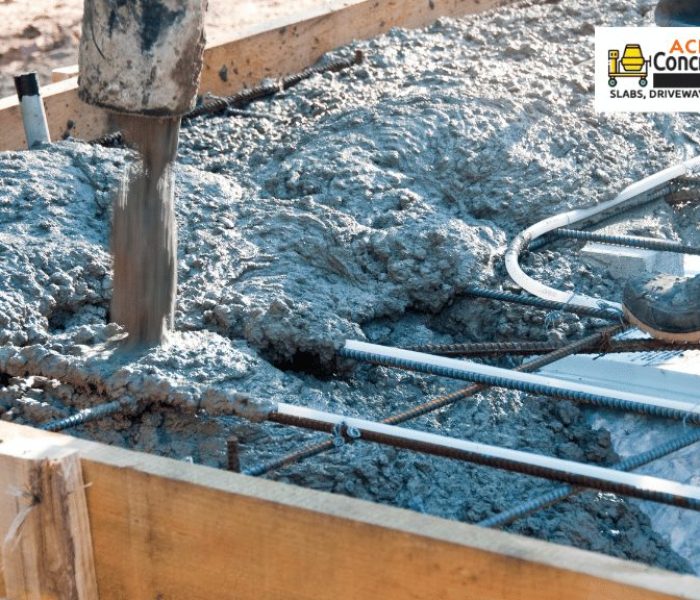
Concrete services across Austin
Austin homes keep us busy in six lanes. Driveway replacement in Austin for the builder-era slabs reaching the end of their run, replaced base-first so the new one ages differently than the old one did. Patio pours across the city sized for real furniture and finished with a broom texture for grip, with drainage planned before the forms. Garage and workshop slabs for garages, workshops, sheds, and equipment pads across the city’s garage-apartment and ADU boom. Sidewalk and public panel work for front walks and the city-flagged public panels that come with older neighborhoods. Crack, settlement, and surface repair where concrete has cracked, sunk, or spalled, with an honest verdict on repair versus replacement first. And Commercial flatwork in Austin for the parking lots, commercial slabs, and business-property flatwork that keep the city’s shops running. If you’d rather read before you call, our how to compare concrete bids shows how to compare any two bids on equal terms.
North and northwest Austin
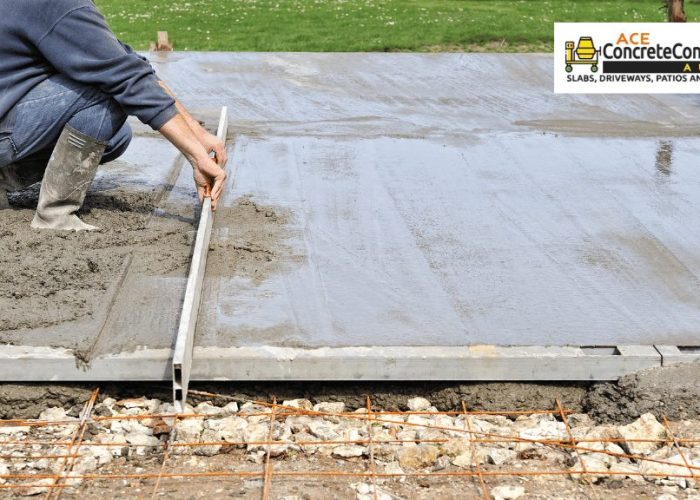
This is home ground: the shop sits off Balcones Club Drive near the 183 and 620 corridors, and the surrounding neighborhoods bring steady driveway and slab work. The housing stock from the 1980s through the 2000s means original driveways poured to the era’s standards, often thin and baseless, now tilting along garage lines, and replacement is the honest conversation more often than repair. Older North Austin lots frequently carry utility easements along back fences that decide where a shed or workshop pad can legally sit, which is a placement check we run before any slab is laid out. Garage floors and workshop slabs here get vapor barriers as standard, because enclosed floors on this soil stay damp without one.
Central and East Austin
Central Austin’s older neighborhoods, from Hyde Park and Rosedale to Clarksville and Old West Austin, pair mature street trees with original sidewalks, which is why the city’s sidewalk program flags more panels here than anywhere else: roots lift joints into trip hazards, and the street-tree rules mean a flagged panel is often bridged over the root rather than poured flat, a process our sidewalk trip-hazard guide explains from notice to fix. East of I-35, the same vintage housing meets some of the city’s most active clay, and the patio and driveway calls run to settlement: panels that sank because there was never a base, cracks that reopen through filler every season. Our east-side work leans on section replacement built from the base up, since that’s the version of the fix that ends the subscription.
South Austin
South of the river, the mix runs from established neighborhoods to the newer subdivisions past Slaughter Lane, and the newer streets bring HOA architectural review into nearly every patio and driveway conversation, with committee calendars that add weeks if the application starts late; we build the review into the schedule rather than pretending it isn’t there. The clay is as expansive as anywhere in the metro, so drainage decides how slabs age: patios graded away from the house, downspouts extended past the new concrete, and joints filled going into the wet season. It’s also our priority zone for the patio work this site is known for, and the Austin patio cost factors covers what moves a South Austin patio’s number.
West Austin and the Hill Country edge
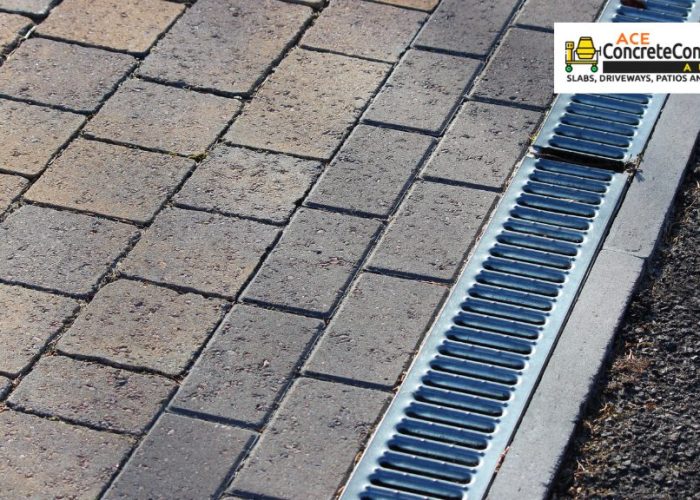
West of MoPac the ground changes: clay gives way to limestone, and pours in Westlake, along the 360 corridor, and out toward the lake country involve rock excavation, different base logic, and slopes that turn flat patios into stepped, retained designs. Hillside lots reward planning, because access for a mixer on a steep shared drive is a quote line, not a surprise. The full Hill Country story lives on our Lakeway page and Bee Cave page, and this side of town is where those crews stage from.
Why Austin homeowners hire us
We’re a local, single-crew operation: based in the city, fully insured, pouring here since 2012, and built so the person who measures your project is at the pour. Every job gets a written, itemized scope, our own crew does the work, and we reply to every message the same business day. We’re your permit partners on the projects that touch impervious cover, the right-of-way, or an HOA, coordinating the paperwork through a permitting partner when the filing needs one, with the whole process covered in our Austin permits explainer. When you’re ready for a number that comes with a document, request a written quote and we’ll come measure.
Concrete questions from Austin homeowners
Do you serve all of Austin?
Yes, every part of the city: north and northwest from our home base, central and east including the older street-tree neighborhoods, south past Slaughter Lane into the newer subdivisions, and west where the clay turns to rock. The whole metro is a normal service day, so your zip code is never the obstacle.
What does concrete work involve in Austin's clay soil?
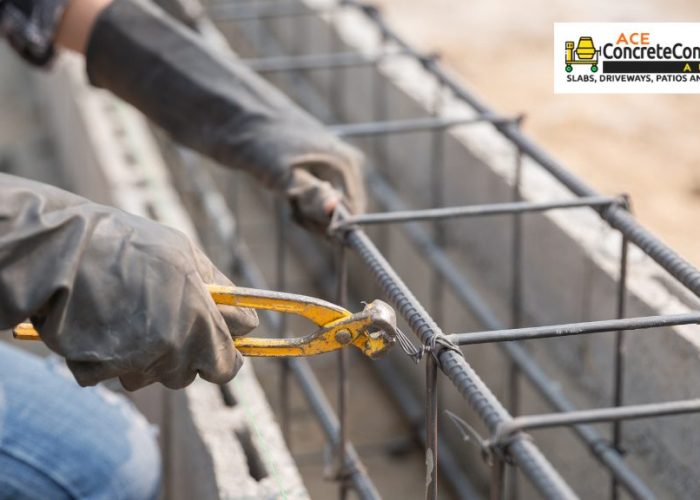
More ground work than the finished slab ever shows: the subgrade wet and recompacted, a gravel base in compacted lifts, steel mid-slab on chairs, and joints cut the same day at spacing the soil dictates. Clay swells wet and shrinks dry, and everything on that list exists to keep the slab from riding those cycles.
Do I need a permit for concrete work in Austin?
It depends on what the project changes: impervious cover, the right-of-way at the curb, and structural attachment are the usual triggers, and the suburbs each run their own rules. We raise the question at the quote, and where a filing is needed we coordinate it through a permitting partner as a line on the scope.
Why are so many Austin driveways cracking?
Because a large share were poured in the production-building decades with little base, minimal steel, and thickness that tapered at the edges, directly on clay that was always going to move. The age isn’t the cause; it’s just how long the shortcuts took to surface. The crack pattern usually names the specific shortcut underneath.
Do you replace city-flagged sidewalk panels?
Yes, that’s routine work in central Austin: replacement panels built to the city’s spec for thickness, width, and cross-slope, with the street-tree root rules handled in the design, and grinding first where a modest offset qualifies for it. The notice has a process, and starting early is what keeps it cheap.
How soon can you look at my project?
Send the form with your address and a photo and we reply the same business day; the measuring visit gets scheduled from there, usually within the week. Summer books further ahead than winter, and permits or HOA review add their own window, which we build into the written timeline instead of discovering later.
Are you based in Austin or just serving it?
Based here: the shop is at 9122 Balcones Club Drive in northwest Austin, and the crew lives and pours in the metro. That matters practically, since a local crew knows the soil map, the sidewalk program, and the HOA rhythms, and it’s why this page can be specific instead of generic.
Whatever part of Austin you’re in, the next step is the same: call (512) 566-7530 or send the form, and we’ll come measure and put the whole job in writing.