
Concrete Contractors Serving Lakeway, TX
Ace Concrete Contractors Austin serves Lakeway, TX, where Hill Country rock and slope change how concrete gets built: stepped and terraced patios, driveways on grades, retaining walls, and slabs cut into limestone. Established homes, mature trees, and lake-country lots get pours planned for the hill, not the catalog.


Request Free Quote
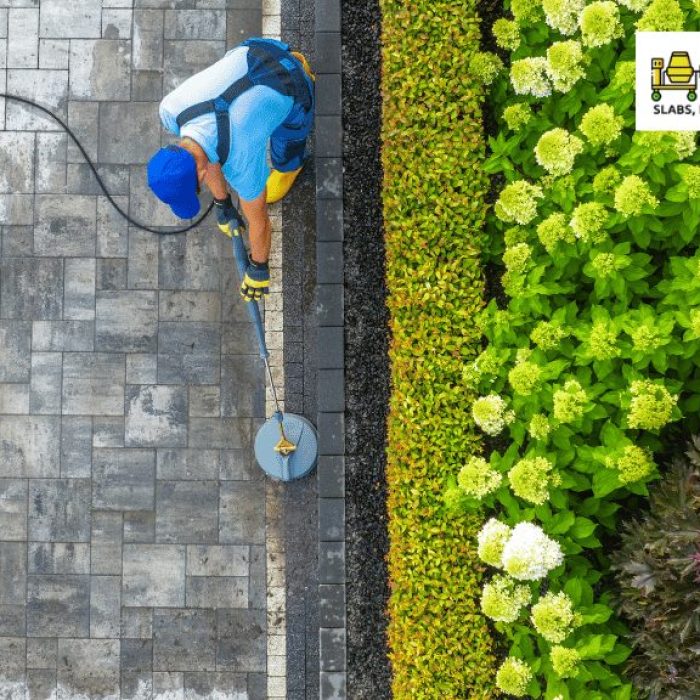
Concrete in the Hill Country is a different sport
Lakeway trades the clay problems of the eastern metro for a new set: limestone that argues with excavation, slopes that turn flat designs into stepped ones, and driveways that climb, curve, and occasionally hand a mixer driver the most interesting parking problem of the week. The good news is that rock is a stable foundation once you’ve dealt with it, so Lakeway concrete, built right, ages beautifully; the price of that stability is paid in planning and digging rather than in soil movement later. Our pours here start with the hill: where the water runs, where the mixer can stand, where the levels break, and the design follows the lot instead of fighting it. There’s a patience to Hill Country work that flat-land crews sometimes lack, since the rock doesn’t hurry and the slope doesn’t negotiate, and the projects that go smoothly here are the ones where the walking and measuring happened before the promising. That’s the order we work in, and it’s why our Lakeway quotes read longer and surprise less.
Patios and terraces on sloped lots
A Lakeway backyard rarely offers a flat rectangle, and the best patios here don’t pretend otherwise: stepped slabs that follow the grade, terraced levels connected by wide steps, retaining edges where the hill needs holding. stepped and terraced patio design handles the structure, a broom finish gives every level grip on the slope, and the heat question gets its own answer, since plain gray broom finish stays far kinder underfoot through August than dark surfaces do, as our outdoor slab planning guide explains. Established Lakeway homes from the 1970s through the 1990s also bring steady resurfacing work: original patios and walks whose surfaces have tired while their rock-founded structure held firm, which is exactly the situation our bonded overlay resurfacing service was made for.
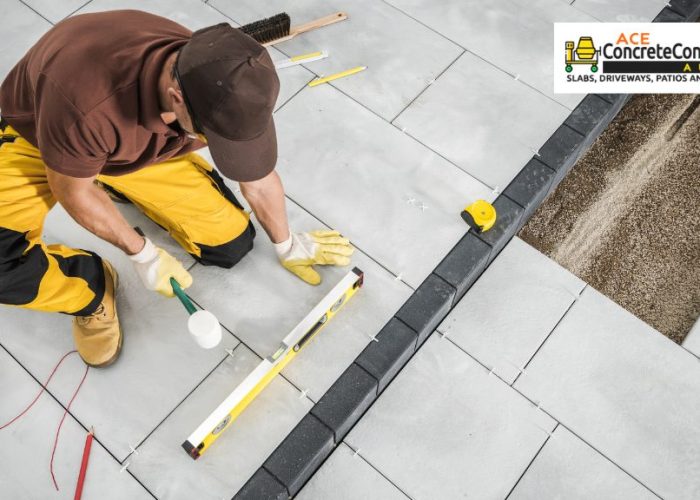
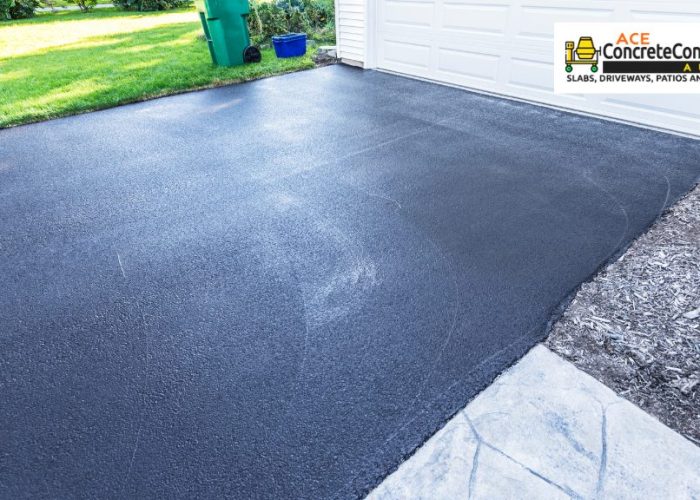
Driveways with elevation
Lakeway driveways climb, curve, and share, and each of those changes the job: grades need the right finish for traction and a crown or channel that manages water racing downhill, curves need joint layouts planned rather than defaulted, and steep shared drives raise the mixer-access question that our quotes answer as a line item instead of a day-of surprise. Our graded driveway construction on rock skips the clay ceremony but earns its money in excavation and forming, and replacement of the originals in the older sections is steady work as the first generation of Lakeway concrete finishes its run. The slope and access in the price guide shows exactly where both land on the quote.
Slabs cut into the hill
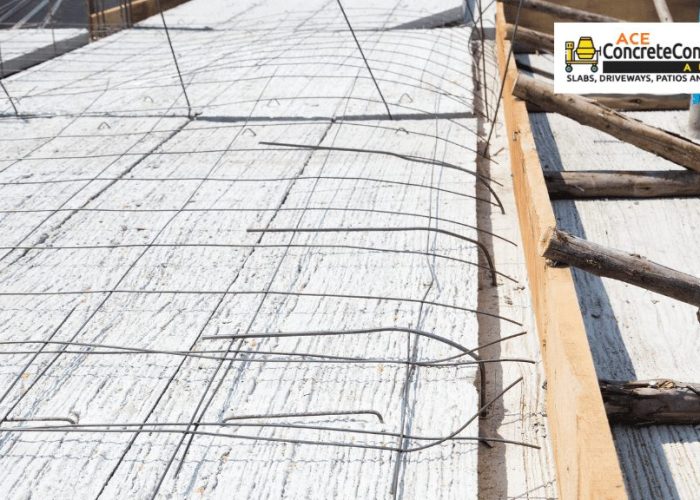
Workshop pads, detached garages, and equipment slabs in Lakeway often start with a cut rather than a form: benching a level pad into a slope, managing the uphill water with a swale or drain that’s dug before the pad is, and forming against grade changes that flat-lot crews never meet. Rock excavation slows the dig and occasionally meets a shelf that changes the plan, which is why benched hillside pads here are quoted off a site visit every time. Enclosed slabs still get vapor barriers, hillside or not, and the outbuilding slab rules apply here too, with one Lakeway addition: the flattest spot and the best spot are usually not the same spot, and the slab should go where the use is.
Steps, walks, and getting around the hill
On flat lots a sidewalk is a line; in Lakeway it’s a route, and the connecting concrete earns real design attention: steps built wide and shallow enough to walk comfortably, landings where the grade demands a pause, walks that traverse a slope instead of fighting straight down it, and edges that shed water off the path rather than along it. Our walks put step and landing scope first, formed and poured with the same care as the patios they connect, and the broom texture gets specified for grip because every Lakeway walk is occasionally a wet walk on a hill. It’s modest concrete with an outsized effect on how the whole lot lives, and it’s usually the piece homeowners wish they’d added a decade sooner.
Working with us in Lakeway
The standards don’t change with the elevation: written itemized scope, measurer at the pour, our own crew, fully insured, same-business-day replies. Lakeway’s city rules and the POA layers in several sections add review steps we handle as permit partners, coordinating filings through a permitting partner when needed. Tree protection matters on these lots too, and pours get planned around the oaks rather than through them. To start, send slope photos with your address attached, and we’ll come walk the lot before anything gets priced.
Concrete questions from Lakeway homeowners
Can you pour a patio on a sloped Lakeway lot?
Yes, and it’s the local specialty: stepped or terraced designs that follow the grade instead of fighting it, retaining edges where the hill needs holding, and drainage that’s planned for water arriving downhill at speed. Flat-lot patio thinking fails here; lot-first design is the whole difference, and it’s why we walk the site before pricing it.
Can you build retaining walls on a sloped Lakeway lot?
Yes, where the slope needs holding: poured concrete walls reinforced with steel, drained behind with gravel and weep openings so water never builds up against them, and designed for the grade they’re retaining. They often pair with stepped patios and walks as one plan. Taller walls get engineering and permit review first, and we coordinate that as part of the scope before anything is formed.
Does rock excavation make Lakeway concrete cost more?
Sometimes, honestly: limestone slows the digging, and a hard shelf can change the plan mid-excavation, which is why the excavation and access lines appear explicitly on our Lakeway quotes rather than hiding inside a lump sum. What rock gives back is stability; slabs on it skip the soil-movement problems the eastern metro lives with.
Can a concrete truck reach my steep driveway?
That’s a real question we answer at the site visit rather than on pour day: where the mixer stands, whether a pump or buggy bridges the gap, and what access adds to the plan. Steep and shared drives are normal Lakeway conditions, and the quote prices the answer as its own line.
My original 1980s Lakeway patio looks tired. Replace it?
Maybe not: if the structure is sound, and on rock it often is, a bonded resurfacing overlay renews the surface for a fraction of replacement, with new texture and a clean slate for sealing. Tired surface with solid bones is the overlay’s exact use case. We’ll tell you which yours is.
Do Lakeway projects need city or POA approval?
Often one or both: the city has its own development rules, several sections carry POA review on visible improvements, and tree protection shapes what can happen near the oaks. We identify what your project touches, handle the paperwork as permit partners through a permitting partner where a filing needs one, and build the timeline around the answer.
Hill Country concrete rewards planning, and planning starts with a walk on your lot. Call (512) 566-7530 or send photos of the slope, and we’ll come see it.