
Concrete Contractors for West Lake Hills and 78746
Ace Concrete Contractors Austin serves West Lake Hills, Rollingwood, and the 78746 hills: driveways that climb on rock, terraced patios and retaining walls, slabs benched into slope, and the renewal of established concrete on some of the metro’s most settled lots. Small-city rules and protected trees handled as part of the job.


Request Free Quote
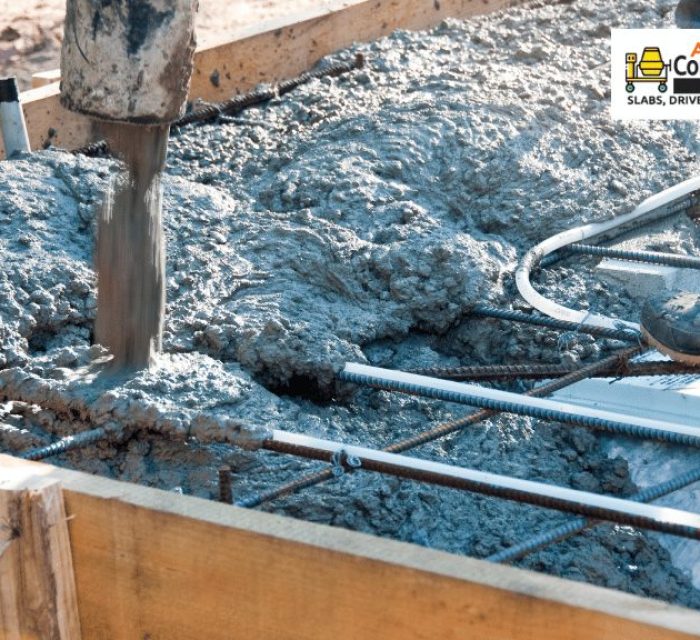
Concrete where the hills start
West Lake Hills and its 78746 neighbors, Rollingwood, Lost Creek, the West Rim and Davenport hills, sit squarely on the limestone side of the Balcones line, and nearly everything about concrete changes with that ground: excavation argues, slopes reshape designs, driveways climb, and the established lots carry mature concrete on some of the most valuable land in the metro. The work here is renewal and refinement more than first construction, replacing originals that served long runs, resurfacing surfaces whose structure held, and adding the terraces, decks, and pads that finish how these lots actually live. It rewards the walk-first, promise-second order we work in everywhere else, and doubly so on a hillside, and it’s why we don’t do phone numbers for 78746 addresses: there’s no honest way to price what we haven’t stood on. The lots here aren’t complicated because they’re expensive; they’re complicated because water, slope, access, and trees all get a vote, and a quote that hasn’t met them is a guess wearing a letterhead. Ours isn’t, and the walk that makes it real doesn’t cost you anything.
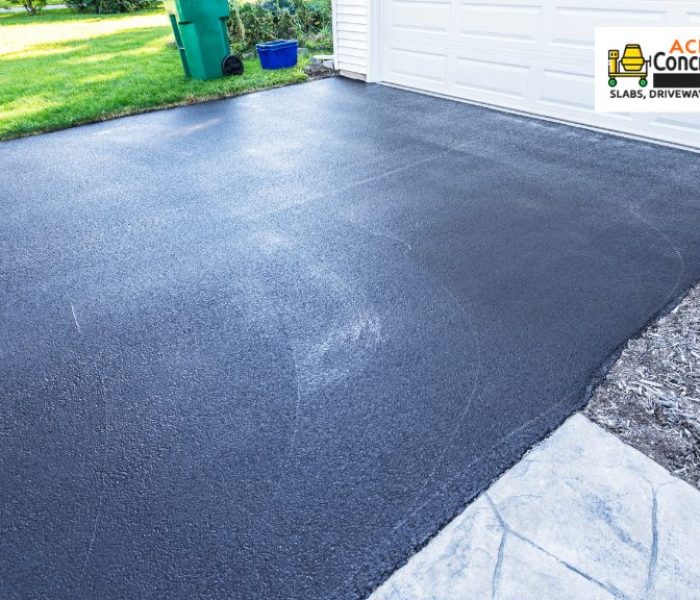
Driveways that climb, and the renewal of originals
78746 climbing approach rebuilds are rarely flat rectangles, and they’re never phone quotes: approaches climb, curve, and share, grades demand traction finishes and water management the whole way down, and the mixer-access question, where the truck stands, whether a pump bridges the slope, gets answered at the visit and priced as its own line. The originals here were often well-built for their era and simply finished their run, so replacements are quality-for-quality upgrades on rock that rewards them, and edge and joint wear, the Hill Country failure mode, frequently makes edge, joint, and overlay renewal the right first conversation rather than replacement: rebuilt edges, joint resealing, and bonded overlays that renew a sound slab’s surface for a fraction of tear-out money, which on driveways this size isn’t a small fraction.
Terraces, walls, and the outdoor rooms
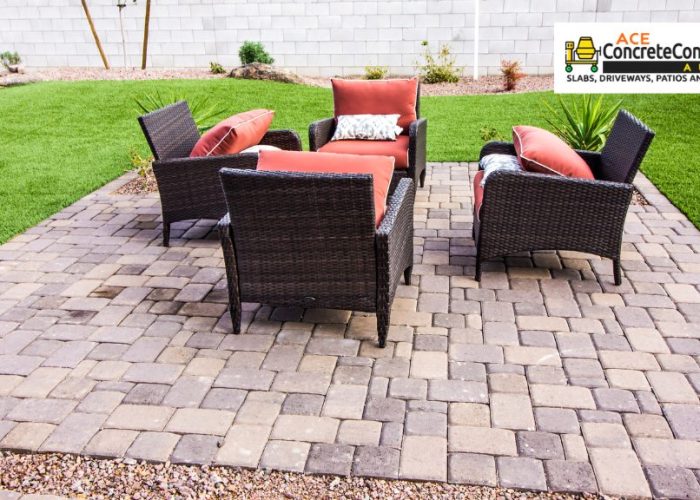
Flat backyards are rare currency in these hills, so terraced outdoor rooms are the local answer: stepped levels following the grade, wide connecting steps, retaining walls where the slope needs holding, and drainage engineered for water that arrives moving downhill, with the connecting stepped walk and landing pours treated as first-class scope rather than afterthought. The established properties bring steady resurfacing too, original patios and walks whose bones outlived their finish decades ago. Our hillside-benched pads serve studios, gyms, and equipment, cut level into the hillside with the uphill water managed first, and every enclosed floor still gets its vapor barrier, rock or no rock, because ground moisture doesn’t read geology maps as carefully as we’d like. The finishing conversation runs richer here too: these are lots where the concrete is part of the architecture, so edge details, step proportions, and how a terrace meets the landscape get real attention in the scope, and a broom finish keeps steps and terraces sure-footed on a west-facing hillside.
Small cities, strict rules, protected trees
West Lake Hills and Rollingwood are their own municipalities with their own development rules, and 78746 adds layered HOA and deed-restriction review across many sections, all of it generally stricter and more attentive than big-city processing: impervious cover limits matter on these lots, visible improvements get reviewed, and the protected oaks shape layouts before any human preference does. We handle it as your permit partners, identifying what a project touches at the quote, coordinating filings through a permitting partner when one’s needed, and building the timeline around the answer, with the same what-to-expect honesty our what reviews feel like guide applies citywide. The tree that was there first stays first here; good design works around it, and in our experience of these lots, usually looks better for having had to.
How we work in the 78746 hills
Every job starts with the lot walk, because hillside concrete quoted from an aerial photo is fiction: we look at the slope, the water, the access, and the trees, then write the itemized scope, dimensions, excavation, thickness, steel, joints, finish, access method, and review handling, each priced visibly, in the format our comparing itemized bids teaches you to compare. Fully insured, measurer at the pour, our own crew, same-business-day replies; send photos of the slope to start. The neighborhoods of 78746 used to sprawl across a dozen thin pages on this site; this page replaces them with one commitment that covers the zip, hills included. The citywide story is on our Austin, TX city page, and the company homepage maps the full service range.
Concrete questions from West Lake Hills homeowners
Do you work in West Lake Hills and Rollingwood specifically?
Yes, both small cities and the whole 78746 zip around them, Lost Creek to the West Rim hills. Their own municipal rules and the layered deed restrictions are normal handling for us, identified at the quote and built into the timeline, and the lot walk that starts every hillside job is where the specifics get real.
Can you replace a steep West Lake Hills driveway?
Yes, and the slope is the job: traction-appropriate finish, water managed the whole way down, joints planned for the geometry, and the mixer-access answer, truck position, pump, or buggy, settled at the visit and priced as its own line. Steep and shared approaches are standard 78746 conditions rather than surprises, and the plan for them is written before the truck rolls.
Is resurfacing worth it on an older 78746 patio or driveway?
Often, and it’s the question worth asking first: rock-founded originals here frequently have sound structure under tired surfaces, which is the exact case bonded overlays exist for, new surface and texture at a fraction of tear-out. We’ll tell you plainly which category yours is in, overlay candidate or genuinely done, and the assessment costs you nothing.
How do the impervious cover rules affect my project?
These hills take cover limits seriously: new concrete counts toward your lot’s total, so project size and what’s already paved both matter, and the question gets asked before design falls in love with a footprint. We raise it at the quote and coordinate any review through a permitting partner as part of the scope.
Can you pour near the protected oaks on my lot?
With the tree’s rules respected, usually yes: root zones shape excavation and layout, designs route around protected canopy, and the result usually looks better for it. The oaks were on the lot first, the small cities enforce that view seriously, and our layouts start from it rather than fighting it, which is also where the best designs come from.
Why does concrete last longer in the 78746 hills?
The ground barely moves: limestone underfoot removes the soil-movement failures the clay side of town lives with, so well-built concrete here ages on its own merits, wearing at edges and joints rather than tilting by the panel. The trade is paid up front in excavation and design, and it’s a good trade.
Hillside concrete starts with a walk, not a quote. Call (512) 566-7530 or send photos of the slope, and we’ll come see the lot before we write a number.