
Concrete Contractors for Northwest Austin
Ace Concrete Contractors Austin pours and repairs driveways, patios, slabs, and walks across Northwest Austin, from Anderson Mill and Great Hills out to Four Points, Steiner Ranch, and River Place. Every job is planned around the hill country’s limestone, slopes, trees, and HOA rules.
That last sentence is the whole difference. Northwest Austin isn’t the flat, clay-heavy ground you’ll find east of MoPac. It’s hills, rock, and deep creeks, so concrete here fails for different reasons and has to be planned differently.


Request Free Quote
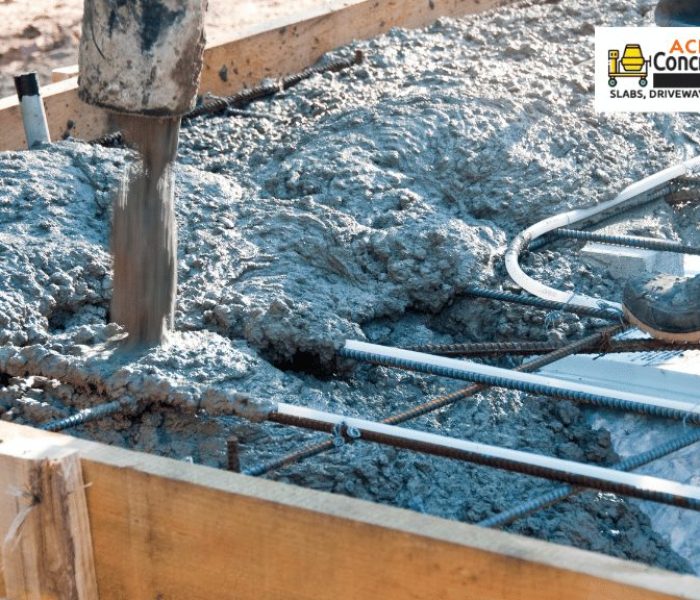
Where Northwest Austin starts, and why the ground is different
Roughly speaking, Northwest Austin is everything west of US 183 and north of the river: the older neighborhoods around Northwest Hills, Balcones Woods, and Great Hills; Anderson Mill, Jollyville, and Canyon Creek further up 183 and RM 620; and the newer hill-country communities out toward the lakes, like Four Points, Steiner Ranch, and River Place. Avery Ranch sits at the northern edge, where Austin runs into Williamson County.
Most of it sits on limestone, sometimes just inches under the grass. Rock’s solid to build on, but it changes the dig and the way water moves. Not every yard is rock, though. Pockets of clay show up in the flatter stretches and creek bottoms, and a slab that crosses from one to the other needs a plan for both. If your home’s on the flatter side east of 183, our page on North Austin’s clay flats fits it better.
Patios on sloped, rocky lots
In Steiner Ranch, River Place, and Four Points, the backyard often falls away from the house, sometimes steeply. A flat patio on that kind of lot is a grading job first. It may step down in levels or end at a short wall that holds the grade.
Water decides the rest. Rain moves fast on a slope, so the patio has to shed it away from the house without dumping it onto the neighbor’s yard, and that plan’s made before the forms go in. Our hillside patio builds page walks through layout and finish, and the patio runoff planning guide covers slope and drainage in more detail. Every patio gets a broom finish for grip.
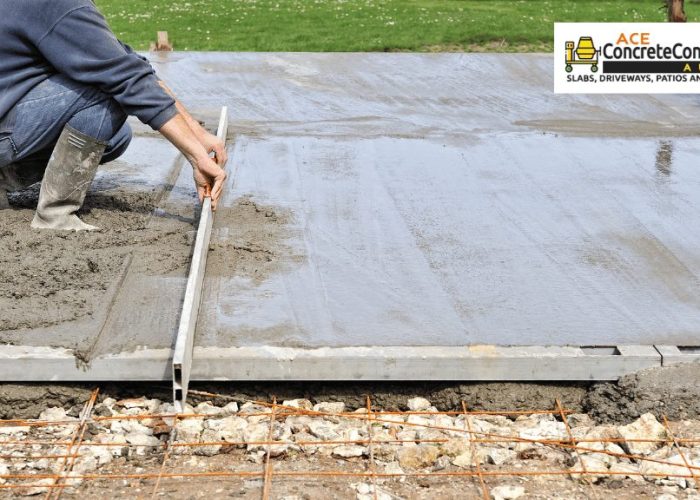

Driveways that climb
Plenty of Northwest Austin driveways run uphill from the street, and a few run hard downhill to the garage. Grade changes what a driveway needs. The surface gets a deeper broom texture so tires don’t slip in the rain. Runoff is steered to the sides or into drainage instead of toward the garage door. And the street transition is shaped so cars don’t scrape.
Forms and joints take extra care on a hill, because fresh concrete wants to move downhill before it sets. The base, steel, and thickness are sized to the job and written into the scope, not decided on pour day. Our steep-grade driveway builds page covers replacement, widening, and new aprons.
Slabs, sheds, and the rock under the grass
A shed pad or workshop slab in Four Points, Canyon Creek, or Avery Ranch often starts with rock. Some of it can be scraped level; some has to be broken out so the slab sits at the right height and drains the right way.
What goes on the slab sets its size. A garden shed and a workshop full of heavy tools don’t need the same pour, so we size each one to its use in writing. See backyard slab construction for how we prepare and pour, or the shed pad sizing guide if you’re still deciding what to build.
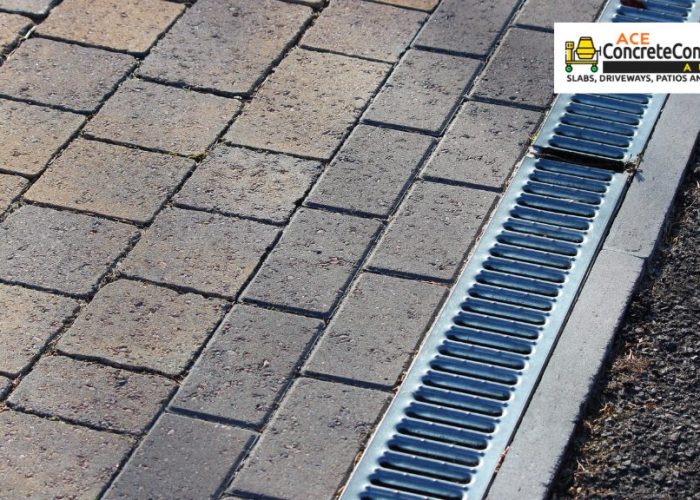
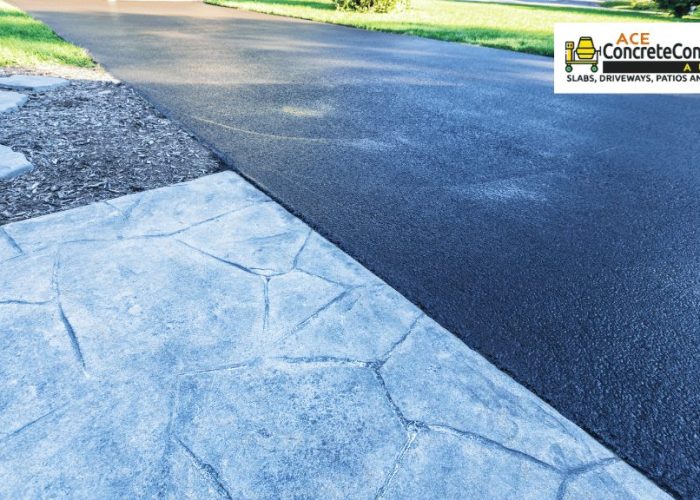
Repairing 1980s and '90s concrete
Anderson Mill, Jollyville, Great Hills, and much of Canyon Creek were built between the late 1970s and the early 2000s, and a lot of their original concrete is now due for attention. Look for cracks toward the garage, broken corners, walks lifted by roots, and panels undercut by runoff.
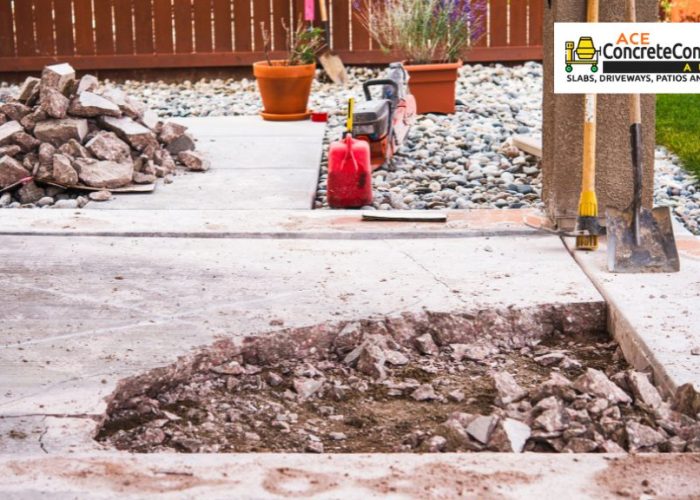
Most of it doesn’t call for tearing everything out. We cut out the failed sections, fix the base underneath, and pour new concrete that ties into what’s still sound. On a hillside, we also deal with the water that caused the damage, or the new section will fail the same way. Our cracked panel replacement page explains when sealing works and when a section has to go.
HOAs, trees, and watershed rules
Many Northwest Austin communities, including Steiner Ranch and Avery Ranch, have architectural review. New patios, pads, and driveway widenings usually need approval for size and placement, so it helps to have a drawing and written scope before you submit. Our HOA patio sign-off steps guide covers what boards tend to ask for.
Trees are the other big factor. Mature live oaks shade a lot of these lots, and Austin’s tree rules protect larger trees and their root zones, which can shape where concrete’s allowed to go. Much of the area also drains to Lake Austin and Bull Creek, where watershed rules can limit how much of a lot can be paved. When a permit’s needed, we coordinate it through a permitting partner. The city permit basics guide explains when that happens.
How a Northwest Austin job runs
We reply to every message the same business day. Then comes a measuring visit, where we look at slope, rock, trees, drainage, access for the concrete truck, and any HOA rules. After that you’ll get a written, itemized scope: tear-out, base, steel, joints, finish, and cleanup, each on its own line.
We’ve worked in Austin since 2012, our own crew does the pouring, and the person who measured your job is there on pour day, so nothing gets lost between the visit and the work. North of Northwest Austin, we also cover Cedar Park’s neighborhoods, and to the west, Lakeway’s lake-side streets.
Concrete questions from Northwest Austin homeowners
Is Northwest Austin ground better for concrete than North Austin?
It’s different rather than better. Limestone doesn’t swell and shrink the way clay does, so slabs on rock tend to stay put. But rock makes the dig slower, slopes push water across the concrete, and pockets of clay still show up in low spots. Most problems we see here start with drainage and slope, not with soil movement.
Can you build a patio on a steep Steiner Ranch or River Place lot?
Usually, yes. Steep lots often get a stepped patio, a built-up base on the low side, or a short wall that holds the grade, with steps placed where people walk. Drainage is planned before the forms are set so runoff moves away from the house. The measuring visit tells us which approach fits your yard, and it’s all written into the scope.
Do you have to break rock to pour a slab in Four Points?
Sometimes. Limestone close to the surface can often be scraped and leveled, but if it sits too high or at the wrong angle, it’s broken out so the slab lands at the right height and drains correctly. We check this at the measuring visit and list any rock work as its own line in the scope, so there aren’t surprises on dig day.
Will my HOA need to approve new concrete?
In many Northwest Austin communities, yes. Steiner Ranch, Avery Ranch, and other planned neighborhoods commonly review new patios, pads, and driveway changes for size, placement, and appearance. We give you a layout and written scope you can include with the submission, and we don’t pour until the approval’s in hand. Rules vary, so check your HOA’s guidelines early.
Can a cracked Great Hills driveway be repaired instead of replaced?
Often it can. If most panels still sit flat and tight, we cut out the damaged sections, correct the base, and pour new concrete that ties into the sound slab. Hairline cracks can simply be sealed. When the whole driveway has cracked through or dropped, replacement is the honest answer, and we’ll explain why in writing before you decide anything.
How do you work around big oak trees?
Early. We map the trees at the measuring visit, keep digging out of root zones where we can, and shape the layout around protected trees instead of through them. Austin’s tree rules can limit work near larger trees, so the plan respects those limits from the start. If a root caused old damage, the repair plan accounts for it.
Do you cover Avery Ranch and Canyon Creek?
Yes. We work throughout Northwest Austin, including Avery Ranch, Canyon Creek, Anderson Mill, Jollyville, Great Hills, Northwest Hills, Four Points, Steiner Ranch, and River Place. The process is the same everywhere: a same-day reply, a measuring visit, and a written, itemized scope before any work is scheduled. Send your address and a photo to get started.
Planning a patio, driveway, slab, or repair in Northwest Austin? Call (512) 566-7530 or Send us a few photos of the area, and we’ll reply the same business day.