Ace Concrete Contractors Austin

Table of Contents

Adding a concrete patio expands your outdoor living space and adds value to your Austin home. But how much should you budget? Costs vary based on size, site conditions, and finish options, and getting accurate numbers upfront helps you plan effectively.

Here’s what Central Texas homeowners typically pay for a new concrete patio, plus the factors that influence your final price.

Average Concrete Patio Costs in Austin

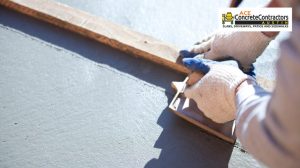
person smoothening wet concrete using trowel

Most Austin homeowners pay between $6 and $12 per square foot for a basic concrete patio installation. The average project runs around $8 to $9 per square foot when you factor in typical site preparation and a standard broom finish.

Here’s how costs break down by patio size:

Small Patio (100-200 sq ft) Typical range: $600 to $2,400 Good for: Bistro seating, grill station, small sitting area

Medium Patio (200-400 sq ft) Typical range: $1,200 to $4,800 Good for: Dining set, conversation area, moderate entertaining

Large Patio (400-600 sq ft) Typical range: $2,400 to $7,200 Good for: Full outdoor living room, multiple zones, larger gatherings

Extra-Large Patio (600+ sq ft) Typical range: $3,600 and up Good for: Outdoor kitchen, fire pit area, pool deck surrounds

These figures cover basic installation with a broom finish. Exposed aggregate finishes, additional site work, or challenging access add to the total.

Factors That Affect Your Patio Cost

Every backyard is different. Here’s what influences your specific price in the Austin area.

Patio Size

Square footage drives the base cost. Larger patios cost more overall but often have a lower per-square-foot price because setup and mobilization costs are spread across a larger area. A 500-square-foot patio might cost $7 per square foot, while a 150-square-foot patio costs $10 per square foot.

Site Preparation

Austin’s clay soil frequently requires extra prep work. If your yard needs grading, drainage solutions, or soil stabilization, expect to add $1 to $4 per square foot. Properties in areas like Westlake, Tarrytown, and the Hill Country often need more extensive preparation due to rocky terrain or slopes.

Flat, accessible backyards with stable soil cost less to prepare than sloped lots or areas with drainage issues.

Concrete Thickness

Standard patios use 4-inch-thick concrete, which handles normal foot traffic and patio furniture. If you’re placing heavy items like a hot tub, outdoor kitchen with built-in grill, or large planters, you may need 5 or 6 inches. Each additional inch adds roughly 20-25% to material costs.

Access to Your Backyard

Can a concrete truck back up close to the pour site? If not, crews may need to pump concrete or wheelbarrow it through gates and around obstacles. Limited access adds labor time and potentially equipment rental costs. Homes with side-yard access at least 36 inches wide usually avoid these extra charges.

Existing Patio or Slab Removal

Tearing out an old concrete patio typically costs $2 to $5 per square foot, depending on thickness and reinforcement. Removing an old wood deck runs $3 to $5 per square foot. Factor this into your budget if you’re replacing rather than adding new.

Finish Options

A standard broom finish provides good traction and costs nothing extra. Exposed aggregate, where decorative stones show through the surface, adds $2 to $4 per square foot and creates visual interest while improving slip resistance.

Patio Shape

Rectangular patios cost less than curved designs or irregular shapes. Curves require more forming work, create more waste, and take longer to pour. If the budget is tight, stick with straight lines and square corners.

Reinforcement

Wire mesh reinforcement is standard and included in most quotes. Rebar provides stronger support for problem soils or heavy loads but costs more. In Austin’s expansive clay, proper reinforcement helps your patio resist cracking as the ground shifts seasonally.

Concrete Patio vs. Wood Deck: Cost Comparison

Many Austin homeowners debate whether to choose a concrete patio or a wood deck. Here’s how they compare on cost.

Concrete Patio

  • Installation: $6 to $12 per square foot
  • Lifespan: 25-30+ years
  • Maintenance: Seal every 2-3 years, minimal repairs
  • Best for: Ground-level outdoor living, low-maintenance preference

Pressure-Treated Wood Deck

  • Installation: $15 to $25 per square foot
  • Lifespan: 10-15 years
  • Maintenance: Annual sealing/staining, board replacement
  • Best for: Elevated areas, natural wood appearance

Composite Deck

  • Installation: $25 to $40 per square foot
  • Lifespan: 25-30 years
  • Maintenance: Periodic cleaning
  • Best for: Low maintenance with a wood-like look, elevated applications

Concrete wins on upfront cost and often on total cost of ownership when you factor in maintenance and longevity. However, decks work better for elevated applications or when you want that wood aesthetic.

What’s Included in a Patio Installation Quote

When comparing estimates, make sure each quote covers the same scope. A complete quote from a reputable concrete contractor should include:

metal chair set on patio

Standard Inclusions:

  • Site preparation and grading
  • Formwork installation and removal
  • Concrete materials and delivery
  • Wire mesh reinforcement
  • Pouring and finishing labor
  • Control joint cutting
  • Basic curing protection
  • Site cleanup

Ask About:

  • Existing patio or structure removal
  • Permits if required by your jurisdiction
  • Specific concrete thickness and PSI strength
  • Finish type (broom, exposed aggregate)
  • Drainage considerations
  • Warranty terms

Get at least three written quotes. The lowest price isn’t always the best value if it means shortcuts on materials or preparation that lead to problems later.

Timing Your Patio Project

When you schedule your patio installation, it affects both availability and potentially pricing.

Best Times to Pour in Austin

Spring (March through May) and fall (September through November) offer ideal conditions. Temperatures are moderate, and concrete cures properly without the stress of extreme heat or rare freezes.

Summer Considerations

Austin’s summer heat creates challenges for concrete work. High temperatures speed curing, which can cause surface issues if not managed carefully. Experienced contractors adjust their techniques, often pouring in early morning hours. Summer availability is typically good since some homeowners avoid the heat.

Winter Considerations

Our mild winters usually allow year-round work, but occasional freezes can delay projects. Concrete shouldn’t be poured when temperatures drop below 40°F or when freezing is expected within 24 hours of the pour.

Lead Times

During peak seasons, expect 2-4 weeks between signing a contract and starting work. Planning ensures you get your preferred contractor and the timing you want.

Making Your Patio Last

A properly installed concrete patio should serve your family for decades. Protect your investment with basic maintenance.

Seal the Surface

Apply a quality concrete sealer every 2-3 years. Sealing prevents water penetration, protects against grilling or entertaining stains, and extends the patio’s lifespan. Use a sealer rated for Austin’s UV exposure.

Control Drainage

Make sure water flows away from your patio and your home’s foundation. Adjust sprinklers that spray onto the concrete. Proper drainage prevents moisture-related damage, especially in our clay soil.

Address Cracks Early

Small cracks can be filled before they become big problems. If cracks appear, concrete repair addresses them before water infiltration causes further damage.

Protect from Furniture

Use furniture pads under heavy items to prevent scratching. Move planters periodically to avoid moisture trapping and staining. These simple steps keep your patio looking good for years.

Get Your Free Patio Estimate

Ready to add an outdoor living space to your Austin home? Call Ace Concrete Contractors at (512) 566-7530 for a free estimate. We’ll measure your space, discuss your vision, assess site conditions, and provide a detailed written quote.

We’ve completed over 1,000 concrete projects across Austin since 2012, and we’re fully insured to protect you. Contact us to schedule your estimate.

See what Austin homeowners say about our work in our customer reviews. We also install driveways, slabs, and sidewalks throughout the metro area.

Frequently Asked Questions

Patio size has the biggest impact on total cost. After that, site preparation needs, access to your backyard, and finish options significantly affect pricing. In Austin, sloped yards and clay soil often require extra prep work, which adds to the base price. Complex shapes or limited truck access can also increase costs.

Yes, concrete patios cost significantly less than wood decks. A concrete patio runs $6 to $12 per square foot installed, while a pressure-treated wood deck costs $15 to $25 per square foot. Composite decking runs even higher at $25 to $40 per square foot. Concrete also requires less maintenance over its longer lifespan.

Most residential patios fall between 200 and 400 square feet. This size comfortably accommodates a dining set and a conversation area. Homeowners who entertain frequently or want multiple outdoor zones often opt for larger spaces, up to 600 square feet or more. Smaller patios of 100 to 150 square feet work well for intimate spaces or urban lots.

The standard broom finish provides good traction and is included in basic pricing. Exposed aggregate, where decorative stones show through the surface, adds $2 to $4 per square foot and creates visual interest. Both options work well for Austin’s climate and provide better slip resistance than a smooth troweled finish.

Yes, rectangular patios cost less than curved or irregular shapes. Straight lines require simpler forming, create less waste, and take less time to pour and finish. Curves and angles add 10-20% to labor costs. If budget is a priority, choose a rectangular design with square corners.

Technically, yes, but it’s usually not cost-effective. Each phase requires separate mobilization, setup, and forming costs. The joint between phases may also be visible and could become a point of weakness over time. Building the full patio at once typically costs 15-25% less than doing it in stages.

Clear the area of furniture, planters, and obstacles. Mark sprinkler heads so they can be protected or relocated. Trim back any overhanging branches that might interfere with work. Note any underground utilities, irrigation lines, or drainage. Your contractor handles the actual site preparation, but clearing the space speeds up the process.