How a Concrete Driveway Affects Property Value, Minus Fake Math
- Ace Concrete Contractors Austin
- Concrete Contractor Tips
Ace Concrete Contractors Austin

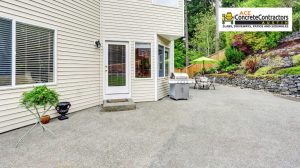 A sound concrete driveway supports property value four ways: first-impression curb appeal, a clean inspection, no buyer-visible deferred maintenance, and the finished-improvement read appraisers and buyers give permanent concrete. What it doesn’t come with is an honest universal percentage, so this guide skips inventing one.
Articles on this topic love a percentage, and the percentage is always invented, so here’s the version we can stand behind: what a driveway actually does at the moments a home’s value gets decided, the listing photos, the walkthrough, the inspection, the appraisal. A driveway is rarely why someone buys a house; it’s frequently part of why they don’t hesitate, and hesitation is what costs sellers money in every market. That distinction is the honest value story, and it’s worth real money without needing a fake number. Why concrete specifically earns this role is our full ownership case; this guide is the resale chapter.
The driveway is often a quarter of what a listing photo shows and the literal first surface a buyer touches. Sound, clean concrete reads as order; cracked or patched surfaces read as work, and gravel reads as a project with a deadline. Buyers form the renovation math in their heads within minutes of parking, and a driveway that stays out of that math entirely is doing quiet, valuable work for the asking price. It’s the difference between a surface nobody mentions and a surface somebody budgets for. A border detail or fresh broom finish photographs disproportionately well for what it costs.
Inspections turn a home’s surfaces into a list, and buyers negotiate against the list line by line, with their agent supplying the retail price for every item on it. A driveway with heaved panels, wide cracks, or drainage pitched toward the garage joins the list with a repair estimate attached; a sound slab contributes nothing to negotiate with. This is where driveway condition converts most directly into kept dollars, and it’s why we’d rather see a seller fix honest problems through our pre-listing fixes before listing than watch a buyer price the same work at double.
Appraisals credit driveways inside the whole-property picture: material, condition, and fit with the neighborhood, not as a line item with a universal multiplier, which is why the internet’s favorite percentages can’t survive contact with an actual appraisal report. [CONFIRM: any agent or client resale anecdotes the owner can share, in their words, replacing this slot.] The consistent professional read is that permanent, sound improvements support the price and visible deferred maintenance erodes it, which is less exciting than a percentage and more true. Where the neighborhood standard is concrete, matching it protects value; exceeding it decorates.
Selling soon: repair honest defects, clean the surface, refill joints, and let sound-and-maintained do the talking; a full replacement rarely returns its cost inside a listing window unless the driveway is the property’s visible wound. Staying awhile: build the driveway for your own years first, resale second, choosing the spec our spec in writing puts in writing, and the value story takes care of itself when the sign eventually goes up. Either way, skip anyone selling driveway work with a guaranteed value bump; that number belongs to the driveway they’re selling, not the house you own.
If the sign’s going up soon, the driveway’s contribution comes down to a short list. Pressure-wash the whole surface, since clean concrete photographs years younger than it is. Refill the control joints, because dark, open joints read as cracks in photos even when they’re doing their job. Pull the weeds at the edges and the expansion joints, an hour that changes the entire read. Degrease the oil spots under where the cars sleep. And fix any genuine trip or drainage defect before the inspector finds it for you. None of this is glamorous and all of it moves the needle at listing time, because the goal isn’t a driveway that impresses anybody, it’s a driveway that gives nobody anything to write down, and that’s a weekend’s work, not a contractor’s invoice.