
Concrete Contractors in Tarrytown, Austin
Ace Concrete Contractors Austin replaces driveways, pours patios, and rebuilds front walks across Tarrytown, the west-central 78703 neighborhood between MoPac and Lake Austin. Tarrytown lots are larger and shaded by old live oaks, so every job is planned around protected trees, long driveways, and how water runs toward the street.
Tarrytown’s homes range from 1930s and 1940s cottages to big remodels and new builds, often on the same block. Many driveways are long and decades old, many backyards are shaded, and nearly every lot has a tree whose roots reach under the concrete. That’s what shapes the work here.


Request Free Quote
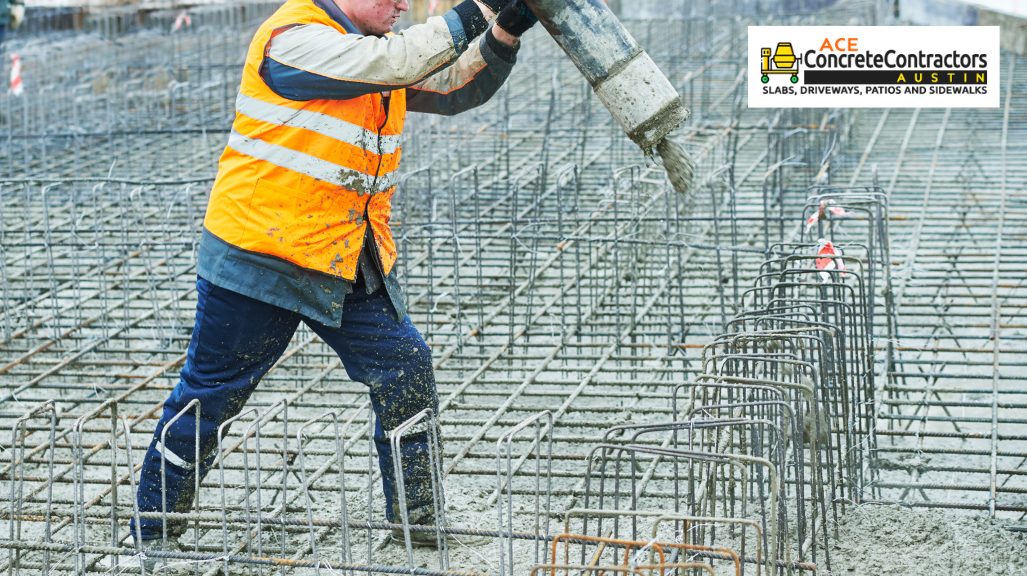
Big lots, old oaks, and changing homes
Tarrytown grew west from the city through the middle of the last century, around landmarks like Reed Park and the Lions Municipal golf course. The result is a neighborhood of wide lots, mature live oaks and pecans, and a steady stream of remodels. When a house changes, the driveway and walks often get replaced at the same time.
The ground varies too. Some yards sit on clay, others on rock close to the surface, and many have a mix. Our guide to rock versus clay ground explains why that matters, and our west-central Austin coverage covers the wider area.
Driveways around protected trees
Austin’s tree rules protect larger trees and the ground around their roots, and in Tarrytown, that often includes the trees beside the driveway. A replacement can’t simply dig wherever the old slab was. The layout, the depth of the dig, and sometimes the driveway’s shape get planned around each tree’s root zone.
We map the trees at the measuring visit, keep digging out of root zones where possible, and plan any work near a protected tree before the forms go in. Our tree-aware driveway replacement page covers tear-outs, widening, and aprons, and our tree permit basics guide explains when City review comes in.
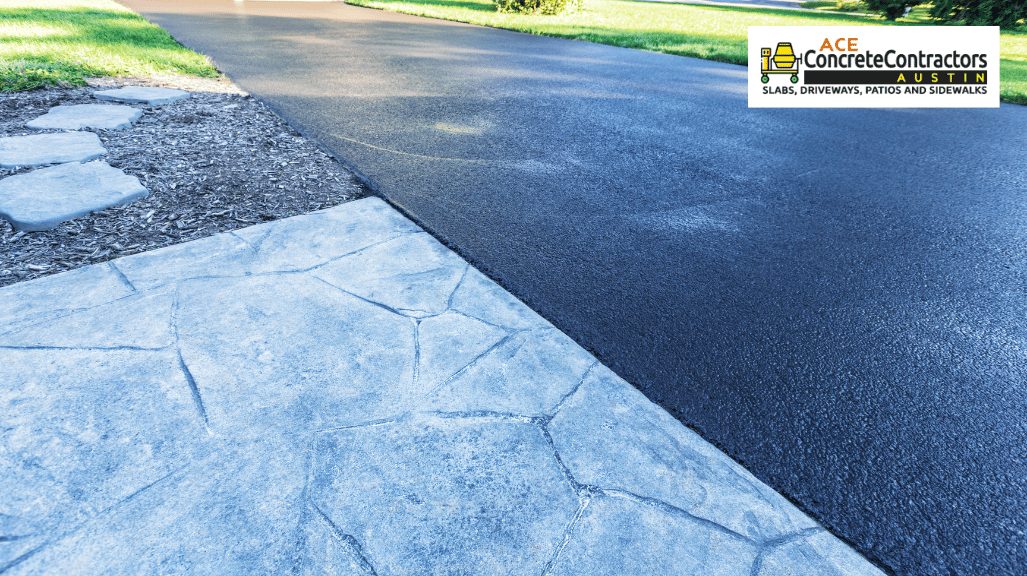
Long driveways, turnarounds, and parking pads
Long driveways are common here, and they rarely fail all at once. The apron at the street and the stretch near the garage usually go first. A long driveway can often be replaced in sections, starting with the worst part, or rebuilt in phases so you keep some access during the work.
Larger lots also leave room for a turnaround or an extra parking pad, which saves backing out onto a busy street. Each one is poured on a compacted base with steel and joints, and sized to what will park on it. Our partial driveway replacement page explains when sections can be replaced and when the whole slab should go.
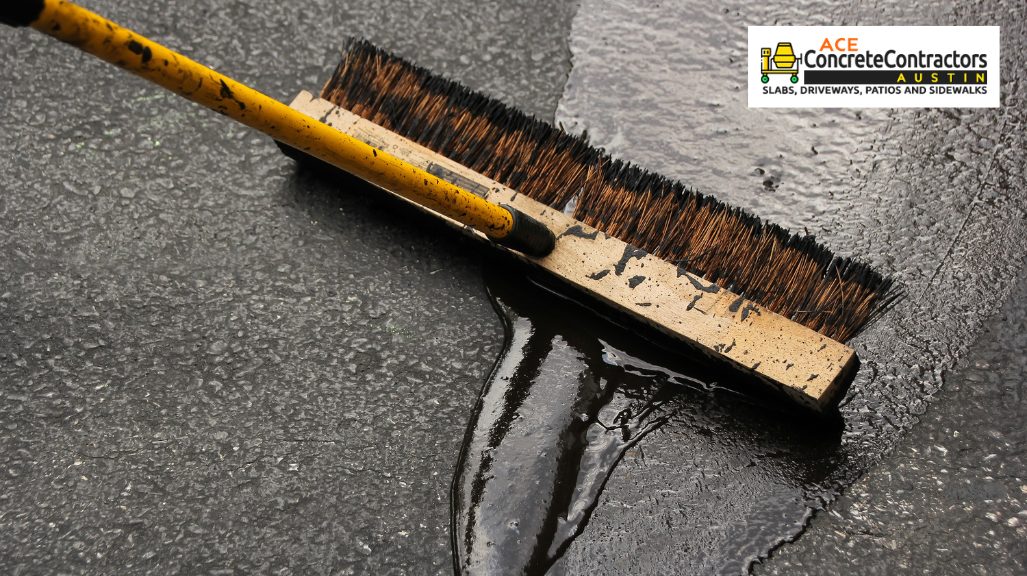
Front walks and entries
Many Tarrytown front walks are as old as the houses, with roots pushing panels out of line. A remodel is a good time to rebuild the walk too, so the entry matches the new house. Walks get a broom finish for grip and are pitched to shed water away from the porch. Our front walk rebuilds page covers layout and finish.
Shaded backyard patios
Big shade trees make Tarrytown backyards pleasant and patios popular, but they also mean roots, leaves, and slower drying. A patio here is laid out around the trees, kept off their root zones where possible, and pitched so water runs into the yard rather than toward the house. Leaves and shade also slow drying after rain, so patios under big trees get a steady pitch, and regular sweeping keeps leaf litter out of the joints. Our shaded backyard patios page walks through layout and joints.
Water and the street
Many Tarrytown lots slope gently toward the street or toward Lake Austin, and long driveways collect a lot of rain. A new driveway is pitched to carry that water to the street or the yard, not toward the garage. The apron is shaped so water doesn’t pond at the curb, and joints are sealed so rain can’t wash out the base.
Remodels change the math. A bigger house means more roof, and more roof means more water landing near the driveway and walks. When a remodel is underway, it’s worth planning downspout outlets and the new concrete together, so the water from the new roof has somewhere to go besides under the slab.
How a Tarrytown job runs
Send your address and a photo, and we’ll reply the same business day. The measuring visit looks at the trees and their root zones, the old concrete, drainage, the street apron, and access for the truck. After that, you’ll get a written, itemized scope with tear-out, base, steel, joints, finish, and cleanup, each on its own line.
Ace is veteran-owned, our own crew does the pouring, and the person who measured your job is on site when it’s poured. Close by, we also work among Clarksville’s narrow lots to the east and in Rosedale just north.
Concrete questions from Tarrytown homeowners
Can a driveway be poured inside a protected tree's root zone?
Sometimes, with limits. Austin’s tree rules restrict how much digging and new paving can happen near a protected tree’s roots, so work in that zone may need City review and a shallower, carefully planned base. Often the easier answer is shaping the driveway around the root zone. We map this at the visit, before anything is quoted.
Can a long driveway be replaced in stages?
Yes. Long driveways are often replaced in sections, starting with the apron or the most damaged stretch, with each new section tied into the old. Phasing can also keep part of the driveway usable while the rest is rebuilt. The scope lists each phase separately, so you can choose what to do now and what to do later.
Can you add a turnaround or a parking pad?
Usually, yes, on Tarrytown’s larger lots. A turnaround or pad is poured on its own compacted base and tied into the driveway. Two things decide whether it fits: the City’s cap on paved area for your lot, and any protected trees close by. We measure both at the visit before suggesting a size.
How is runoff handled on a driveway that drains to the street?
The driveway is pitched to carry water to the street or into the yard, never toward the garage. The apron is shaped so water flows into the gutter instead of standing at the curb. On long driveways, the slope and joint layout are planned so water moves across the surface without washing out the base below.
Can you replace just the apron at the street?
Yes. The apron is often the first part of an old driveway to crack, since it takes the hardest hits from cars turning in. Because it usually sits in the City’s right-of-way, replacing it may need a permit, which we coordinate through a permitting partner. The new apron ties into the driveway behind it.
Can I use my driveway during the project?
Not the section being replaced, but phasing can keep part of it open. New concrete needs about a week before you drive on it, so plan to park on the street or in a usable section for that time. We’ll lay out the schedule and which areas stay open in the written scope.
Request a Free Estimate and send a few photos of the area. We’ll reply the same business day.