
Concrete Contractors in Hyde Park, Austin
Ace Concrete Contractors Austin replaces driveways, front walks, and porch steps across Hyde Park, the historic neighborhood north of the UT campus. Most homes here are early-1900s bungalows and Victorians on narrow lots, so every job is planned around big trees, tight access, old concrete, and the neighborhood’s historic review.
Hyde Park was one of Austin’s first suburbs, and plenty of its concrete is older than anyone living on the street. Ribbon driveways, walks pushed out of line by pecan and oak roots, and porch steps that have pulled away from the house are what we see most. Nearly all of it can be rebuilt without changing the character of the block.


Request Free Quote
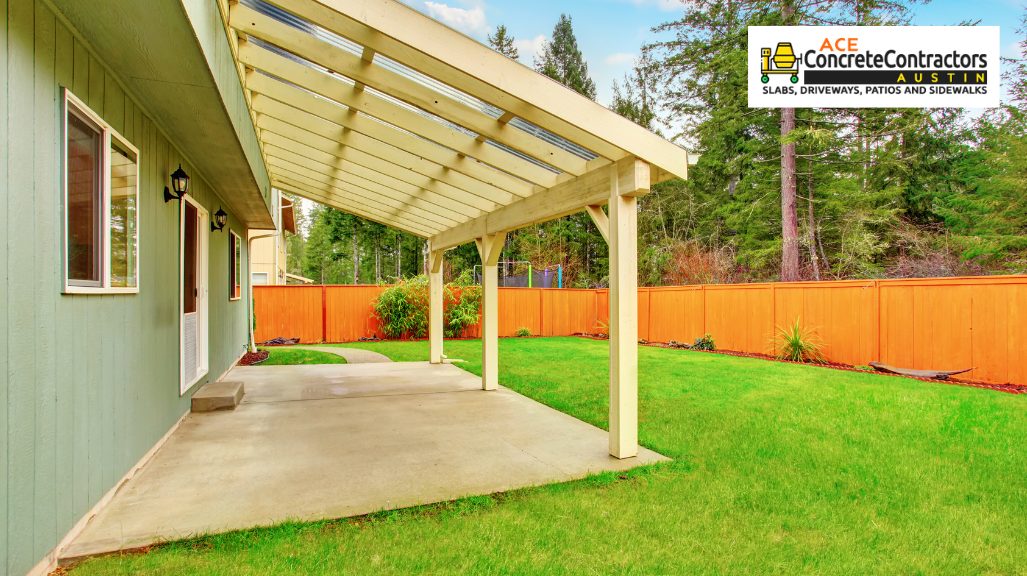
Old streets, narrow lots, and big trees
Hyde Park’s grid of streets like Avenue B, Avenue G, and Duval was laid out for homes built well before two-car garages. Lots are narrow, many driveways run a single car’s width beside the house, and some garages sit at the back of the lot. Mature trees shade nearly every yard, and their roots run under walks and driveways alike.
The ground is a mix, with clay in most yards and rock closer to the surface in spots, so we look at the soil at every visit instead of assuming it. For the wider picture across the city’s older neighborhoods, see our central Austin coverage.
Narrow and ribbon driveways
Some Hyde Park homes still have ribbon driveways: two concrete strips with grass between them. Others have a full-width driveway that was poured thin, straight on the dirt, decades ago. Both crack and sink over time, especially where tree roots and clay move underneath.
A ribbon driveway can be rebuilt as ribbons, which keeps the look and leaves more ground uncovered, or replaced with a full-width slab. Either way, it goes in on a compacted gravel base with steel set mid-slab and joints cut the same day. Our narrow driveway rebuilds page covers layout, tear-out, and the apron at the street.
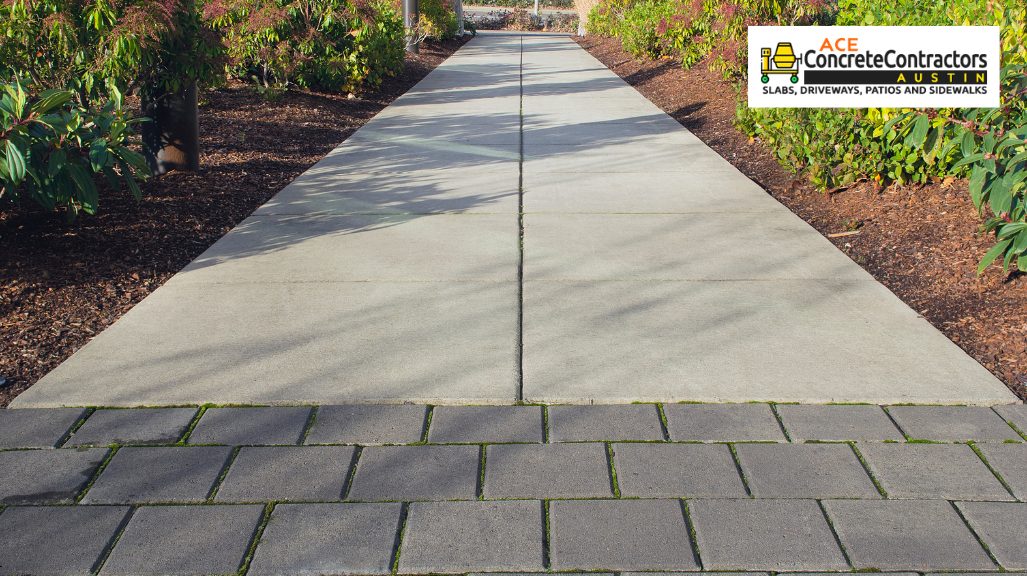
Front walks, roots, and old sidewalks
The walk from the street to a Hyde Park porch is often original, and roots have been working at it for a century. Panels tip, edges rise, and joints open wide enough to catch a heel. On the public sidewalk, a raised edge can also draw a City notice.
We cut out the failed panels, deal with the root where Austin’s tree rules allow it, rebuild the base, and pour new sections that line up with the old. Our old walk replacement page covers new front walks, and our root-raised panel guide explains how flagged sidewalks are handled.
Porches and bungalow steps
Bungalow steps take a beating. They were often poured in stages, and over the years treads crack, edges break off, and the whole run pulls away from the porch as the ground underneath moves. Uneven rises are a fall risk, especially for visitors who don’t know the steps.
Small damage can be repaired. When the steps have separated or settled, they’re broken out and rebuilt on a proper base with even rises, a level landing, and a broom finish for grip, sized to fit the porch they lead to. Our bungalow step repair page explains when a repair holds and when a rebuild makes more sense.
Small backyards and patios
Hyde Park backyards are small, often shaded, and sometimes reached only through a narrow side yard. A patio here has to fit the space, drain away from the house, and leave room for the trees. On tight lots, concrete may be wheeled or pumped in from the street when a truck can’t reach the back. Our small-yard patios page covers layout, joints, and finish.
Historic review and permits
Much of Hyde Park sits inside historic and neighborhood conservation overlays, and some homes carry their own historic designation. Front work that people see from the street, like a new walk layout, a widened driveway, or rebuilt steps, is the kind of change those reviews look at. Backyard work usually draws less attention, but it’s worth checking your address with the City before planning anything visible.
We’ll give you a drawing and a written scope you can submit, and we don’t pour until any required approval is in hand. Our design review prep guide covers what review boards tend to ask for. When a permit is needed, we coordinate it through a permitting partner.
How a Hyde Park job runs
Send your address and a photo, and we’ll reply the same business day. The measuring visit looks at the old concrete, trees and roots, drainage, access through narrow side yards, and any historic review. After that, you’ll get a written, itemized scope with tear-out, base, steel, joints, finish, and cleanup, each on its own line.
Ace is veteran-owned, our own crew does the pouring, and the person who measured the job is there when it’s poured. Just north and west, we also work along North Loop’s side streets and in Rosedale’s postwar blocks.
Concrete questions from Hyde Park homeowners
Can a ribbon driveway be kept as ribbons?
Yes. A ribbon driveway can be rebuilt as two new strips on a compacted base, which keeps the original look and leaves more ground open for drainage and roots. If you’d rather have a full-width driveway, that’s an option too, though it adds paved area and may draw historic review. We’ll lay out both choices in the scope.
What happens when a tree root is under the front walk?
We cut out the raised panels and look at the root before deciding anything. Small roots can sometimes be trimmed; larger ones under Austin’s tree rules usually can’t, so the walk is rebuilt to bridge over them or rerouted slightly. The goal is a flat walk that doesn’t harm a protected tree.
Can bungalow steps be rebuilt to suit an older porch?
Yes. We size new steps to the porch they serve, with even rises, a level landing, and a tread depth that feels right for the house. The finish is a plain broom finish for grip, which suits most older homes. Measurements are taken at the visit and written into the scope.
Does historic review cover backyard concrete?
Usually less than front work. Reviews tend to focus on what people see from the street, so a backyard patio or walk often draws less attention than new front steps or a wider driveway. Rules vary by overlay and property, so check your address with the City before planning, and we’ll build to whatever applies.
Can a patio fit a small Hyde Park backyard and still drain?
Yes, with planning. The patio is pitched away from the house, often toward a planted area or the side yard, and sized to leave room for trees and their roots. On tight lots, a smaller patio that drains well beats a bigger one that pushes water toward the house or the neighbor’s yard.
Do you replace the walk all the way to the street?
We can. The part from your porch to the property line is your private walk; the part along the street is usually the public sidewalk, which can have its own rules and permit needs. We’ll show both parts separately in the scope, so you can decide how far the work goes.
Request a Free Estimate and send a few photos of the area. We’ll reply the same business day.