
Concrete Contractors in Downtown Austin
Ace Concrete Contractors Austin repairs and replaces storefront walks, building entries, courtyards, and service areas across Downtown Austin, 78701. Downtown work is planned around foot traffic, opening hours, tight access, and the City’s right-of-way rules, so most jobs run in phases with a clear path kept open.
Most of our downtown calls come from business owners, property managers, and condo associations, with a few homeowners on the older streets at the edges. The concrete is different from a suburban driveway, and so is the way the work has to be scheduled, staged, and permitted.


Request Free Quote
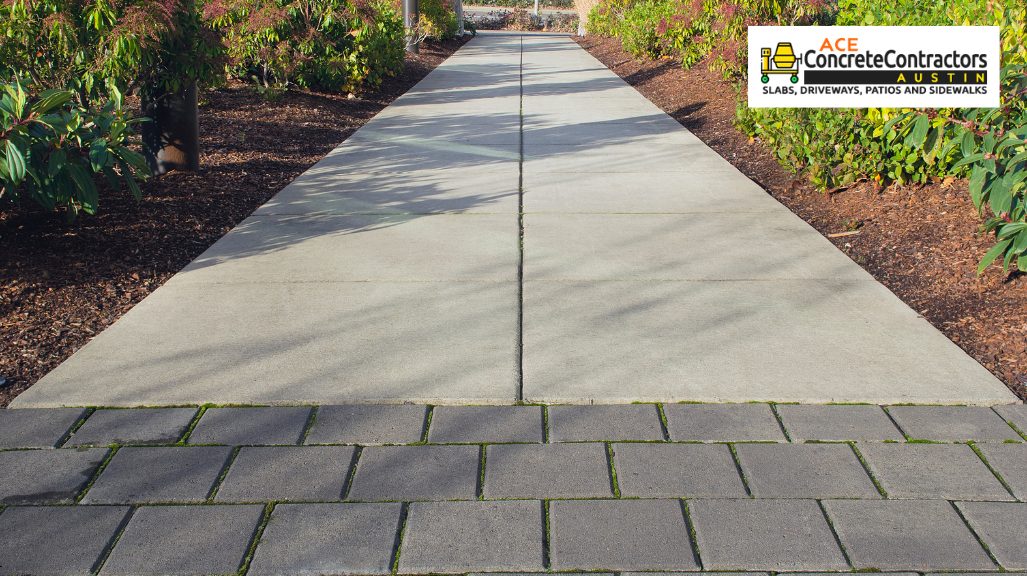
Concrete that carries the city's foot traffic
Downtown sidewalks, plaza edges, and entries take more traffic than almost any concrete in Austin. They’re walked all day, rolled over by delivery carts and dollies, pressure-washed, and baked in the summer sun. Over time, panels crack at the corners, joints open up, and a section near a tree or a utility box starts to rise above its neighbors.
On a busy block, a raised edge is a trip hazard and a liability. It also makes a well-run business look tired from the street. Our downtown commercial flatwork page explains how we scope storefront and building concrete, from a single cracked panel to a full entry rebuild.
Working in the right-of-way
The walk between a storefront and the curb usually sits in the City’s right-of-way, not on the private lot. Work there generally needs a permit, and the plan has to show how people will get around the work while it’s closed. Lane or parking closures for the truck can add their own approvals.
We sort out what’s needed at the measuring visit and coordinate the filing through a permitting partner, so the paperwork is a line on the scope, not a surprise in week two. Our right-of-way paperwork guide covers when a permit comes into play.
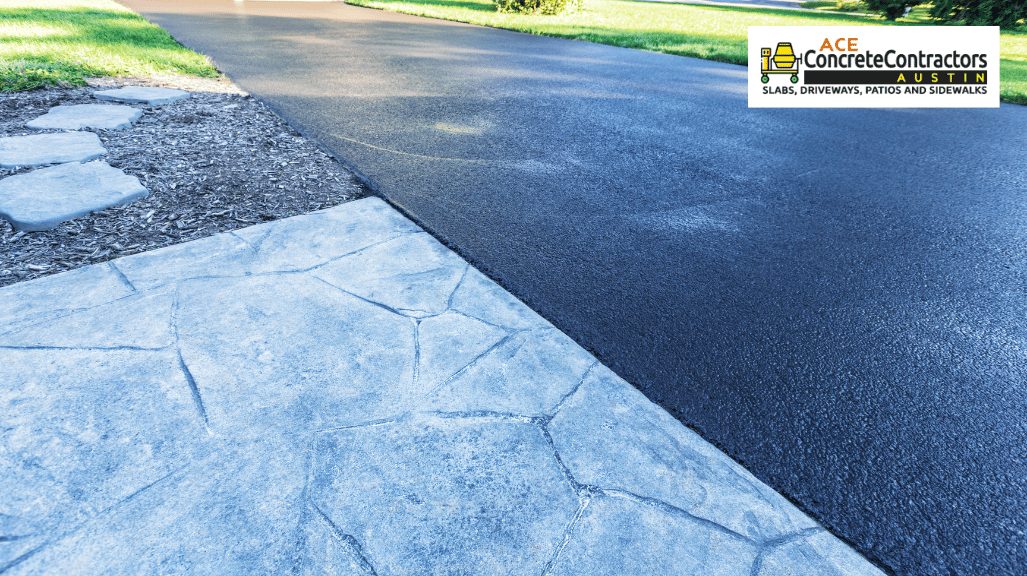
Keeping the doors open
Closing a storefront to fix the walk in front of it rarely makes sense. Downtown concrete is usually replaced in phases, one section at a time, with barricades and a clear walking path kept open for customers and deliveries. Where the City and the building allow it, we can schedule demolition and pours for early mornings, evenings, or slower days.
New concrete can usually take foot traffic within a day or two, while carts and heavier loads wait longer. Every phase and closure window is spelled out in writing before work starts, so you can plan staffing and tell your customers what to expect.

Entries, ramps, and landings
Building entries carry the most traffic of all, and they have to meet accessibility rules for slope, landings, and level transitions at the door. When an entry walk or ramp is rebuilt, those measurements get checked before the forms go in, not after the pour. Our entry walk rebuilds page covers how walks and approaches are laid out and finished.
Every walking surface gets a broom finish for grip, which matters on a wet morning when a lobby floor meets a damp walk. Where the walk meets a door, drainage gets extra attention: the surface is pitched so rain runs toward the street instead of collecting at the threshold, and joints are placed so any crack stays out of the landing people step on most.
Repairs that don't look patched
Most downtown problems don’t need a full rebuild. We cut out the failed panels along existing joint lines, fix the base underneath, and pour new sections that tie into the sound concrete, so the repair follows the original pattern instead of looking like a patch. Our storefront panel repair page explains when a section can be saved, and the raised panel walkthrough covers how flagged hazards are usually handled.
Condos, courtyards, and the edges of downtown
Condo and apartment buildings bring their own concrete: courtyards, garage approaches, side walks, and loading areas. Work there usually goes through the building’s management or board, so we provide a written scope and schedule they can approve before anything is booked.
Downtown’s edges blend into older neighborhoods. To the west, we also work among Clarksville’s older homes, and south of the river in Bouldin Creek across the river.
How a downtown job runs
Send the address and a few photos, and we’ll reply the same business day. The measuring visit looks at the failed sections, traffic patterns, access for the truck, closures, and any permits. After that, you’ll get a written, itemized scope with demolition, base, steel, joints, finish, phasing, and cleanup on their own lines.
Ace is veteran-owned, our own crew does the work, and the person who measured the job is on site when it’s poured. For projects beyond downtown, our citywide Austin service page covers the rest of the city, and our east of I-35 coverage picks up just across the highway.
Concrete questions from downtown businesses
Do downtown sidewalk repairs need a City permit?
Usually, yes. The walk in front of most downtown buildings sits in the City’s right-of-way, and work there generally needs a permit plus a plan for keeping people moving around the closure. We confirm what’s needed at the measuring visit and coordinate the filing through a permitting partner, listed as its own line in the scope.
Who is responsible for the sidewalk in front of my business?
It depends on the location and any agreements tied to the property. The walk usually sits in City right-of-way, but upkeep and repair can still fall to the owner or the building. Check with the City or your property manager first. We can work for whichever party owns the repair and handle the permit side.
Can the work happen while my business stays open?
In most cases, yes. We phase the work one section at a time, keep a barricaded path to your door, and plan closures around your busiest hours. The scope shows each phase and how long each section stays closed, so you can let customers and staff know ahead of time.
Can you work early mornings, evenings, or weekends?
Often, where the City’s rules and the building allow it. Off-hours demolition and pours can keep a busy block moving. Noise limits, closure permits, and concrete delivery times all shape what’s possible, so we work out the schedule at the measuring visit and put it in writing before the job is booked.
How long does a walkway section stay closed?
A typical section is closed for a few days: one to remove it and prepare the base, one to form and pour, then a short wait before people walk on it. Heavier carts and equipment wait longer. Bigger jobs run in phases, so only part of the walk is closed at any one time.
Do you work on condo courtyards and building entries?
Yes. Courtyards, entry walks, garage approaches, and loading areas are regular downtown work. We provide a written scope, phasing plan, and schedule that the building’s management or board can review, and we coordinate access and closures with them before anything is poured. Residents keep a path to the doors throughout.
Request a Free Estimate and send a few photos of the area. We’ll reply the same business day.