Concrete Contractors Serving Quail Creek, TX
Introduction
Quail Creek homeowners trust Ace Concrete Contractors for professional concrete work throughout the 78758 zip code. This established North Austin neighborhood features homes primarily from the 1970s on good-sized lots with mature landscaping. We’ve served Quail Creek since 2012, understanding the specific needs of properties from this era and the challenges posed by Central Texas clay soil for concrete.
Many homes here are now 50 years old, meaning original driveways and patios have reached or exceeded their expected lifespan. The combination of aging concrete, expansive clay soil that shifts with seasonal moisture changes, and construction methods from that era creates specific patterns of deterioration we see throughout the neighborhood. Understanding these patterns helps us address problems properly rather than applying generic solutions.
Whether you’re dealing with a cracking driveway, settling patio, or planning a phased replacement approach to manage costs, we bring the right experience to every Quail Creek project. Contact us to schedule your free estimate.
Request Free Quote
Concrete Services in Quail Creek
Driveway Installation and Replacement
Driveways from the 1970s throughout Quail Creek show characteristic problems, including widespread cracking, section settlement, and surface deterioration. Our driveway services include complete replacement with modern materials designed for local clay soil conditions. We also handle section repairs when damage is localized, and full replacement isn’t yet necessary.
Patio Construction and Replacement
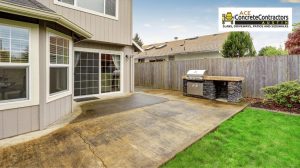
Backyards benefit from a functional outdoor living space. Our patio installation creates areas for entertaining and relaxation, designed to handle clay soil movement through proper base preparation, reinforcement, and joint placement. We can replace deteriorated original patios or build new ones where none existed.
Concrete Slabs for Backyard Structures
Storage buildings, workshops, and outdoor equipment need proper foundations. Our slab installation provides reinforced surfaces to account for Quail Creek’s clay soil conditions, with appropriate base preparation and thickness.
Sidewalk Installation and Repair
Front walkways and garden paths improve accessibility and curb appeal. Our sidewalk services address trip hazards from settlement and cracking, repairing sections or replacing entire walkways, depending on overall condition.
Why Quail Creek Chooses Us
Clay Soil Expertise
Quail Creek sits on expansive clay that swells when wet and shrinks when dry, creating cycles that stress concrete. We address this through deeper base preparation with appropriate materials, closer control joint spacing, proper reinforcement, and techniques developed through years of local experience.
Fully Insured
Every project includes comprehensive general liability coverage and workers’ compensation insurance protecting you from unexpected claims. We provide certificates upon request. See what homeowners say in our customer reviews.
1970s Construction Knowledge
We understand how homes from this era were built. Original concrete often used wire-mesh reinforcement, which is less effective than modern rebar, and construction methods have improved significantly. We know what to expect when removing old concrete and how to install replacements that perform better.
Honest Assessment
We tell you what we actually find and recommend the solution we genuinely believe is best. If section repair makes sense, we’ll say so. If full replacement is needed, we explain why.
Working in Quail Creek
Clay Soil Cycles
The neighborhood’s clay soil creates seasonal movement affecting all concrete. During wet periods, clay expands and pushes concrete upward. During drought, clay shrinks, and concrete settles. Properly designed installations accommodate this movement through joint placement and reinforcement patterns.
1970s Wire Mesh vs Modern Rebar
Original concrete in Quail Creek typically used welded wire mesh for reinforcement. This mesh often sinks during pouring and offers less crack resistance than modern steel rebar, which is placed on chairs that hold it at the proper height. When we replace old concrete, upgrading the rebar in chairs significantly improves performance.
Mature Tree Considerations
50-year-old properties often have significant trees with root systems affecting concrete. We evaluate root patterns during estimates and design installations that work with trees rather than creating recurring conflicts.
Our Process

- Free Estimate: Call (512) 566-7530 to schedule. We assess existing conditions, evaluate clay-soil factors, identify tree-root issues, measure the project area, and discuss your goals and budget.
- Written Proposal: You receive a detailed quote covering materials, labor, site preparation, and cleanup. For phased projects, we outline each phase separately.
- Scheduling: We coordinate timing based on weather and your preferences, avoiding periods when clay soil is extremely wet or dry if possible.
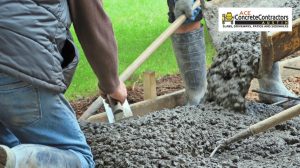
- Professional Installation: Our crew handles demolition, base preparation, forming, pouring, finishing, and cleanup. We use techniques appropriate for clay soil conditions.
- Curing Guidance: We explain proper curing timelines and maintenance practices that help concrete perform well in clay soil environments.
Frequently Asked Questions
Why does concrete crack so much in Quail Creek? Is it the clay soil?
Yes, clay soil is a major factor. Quail Creek’s expansive clay swells significantly when it absorbs moisture, pushing concrete upward. When drought returns, clay shrinks and concrete loses support, causing it to settle unevenly. These cycles stress concrete over time, causing cracks that worsen with each seasonal change. Proper installation can’t eliminate clay movement, but it can minimize its effects through appropriate base preparation, joint spacing, and reinforcement.
My driveway was built in the 1970s and has wire mesh. Should I upgrade to rebar when replacing it?
Yes, we strongly recommend rebar over wire mesh. Wire mesh was common in the 1970s, but it often sinks during concrete pouring, ending up at the bottom rather than the middle, where it provides crack resistance. Modern installations use steel rebar on plastic chairs to hold them at the proper height throughout the pour. This upgrade significantly improves performance, especially in clay soil conditions. Rebar adds modest cost but substantially increases the lifespan of concrete.
Can old concrete be recycled rather than going to a landfill?
Yes, concrete is recyclable. We haul removed concrete to recycling facilities where it’s crushed and used as aggregate for road base and other applications. Recycling is standard practice for our projects. The small additional handling cost is worthwhile for environmental reasons, and many homeowners appreciate knowing their old concrete serves a second purpose.
My budget can’t cover replacing the entire driveway at once. Can we do it in phases?
Yes, phased replacement works well for budget management. We can replace the most deteriorated sections first while leaving acceptable sections for later phases. We plan joint locations so phases connect properly, and we match materials so different phases blend together. During estimates, we discuss which sections are most urgent and develop a phasing plan that aligns with your budget and timeline.
How do I know if my concrete needs full replacement or just repairs?
Several factors determine whether repair makes sense. If damage is clearly limited to one or two sections while the rest remains sound and level, repair is often appropriate. However, if cracking extends throughout, multiple sections have settled to different heights, surface deterioration is widespread, or the same areas keep failing after repairs, full replacement provides better value. We assess honestly and explain what we find.
What maintenance helps concrete last longer in clay soil areas?
Proper watering around foundations helps reduce extreme clay shrinkage during drought. Keep soil moisture relatively consistent rather than cycling between soaked and bone dry. Avoid planting trees with aggressive roots near concrete. Fill cracks promptly to prevent water infiltration. Keep heavy vehicles off the edges where the concrete is thinner. We provide specific maintenance guidance after your project is complete.
Get Started
Ready to improve your Quail Creek property? Call (512) 566-7530 for a free estimate. We bring clay soil expertise to every project in this community.
Learn more about our company or browse our blog for concrete maintenance tips and project ideas.