Sidewalk Trip Hazards and the City of Austin: How It Actually Works
- Ace Concrete Contractors Austin
- Concrete Contractor Tips
Ace Concrete Contractors Austin

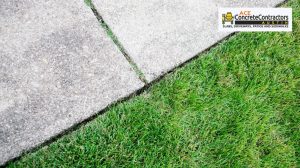 Austin treats raised sidewalk joints and broken panels as trip hazards the adjacent owner often has to address: small vertical offsets can typically be ground flush, while heaved or shattered panels get replaced to city spec. A notice is a maintenance item with a process, not an emergency.
The letter about your sidewalk isn’t a fine and it isn’t an accusation; it’s the city’s sidewalk program doing rounds, and it lands on Austin homeowners every week. A raised joint or cracked panel out front has been flagged as a trip hazard, and the notice starts a process with more options in it than the wording suggests. This guide covers how hazards get flagged, the grind-versus-replace decision that controls the cost, what the fix has to meet, and the order to do things in. The construction side of panel replacement lives on our panel replacement to spec page; the wider defect picture is our the wider defect picture guide’s territory.
The classic trip hazard is a vertical offset at a sidewalk joint, one panel standing proud of its neighbor by enough to catch a shoe, and the usual authors are tree roots lifting from below and clay soil moving with moisture, with broken or shattered panels flagged on sight. Flags arrive through the city’s inspection sweeps and through neighbor reports, which is why a hazard can sit for years and then get a letter on a Tuesday. Central Austin’s older neighborhoods collect the most attention for the oldest reasons: mature street trees, original sidewalks, and decades of soil cycles, the same forces at work on every slab a house owns.
Small vertical offsets on otherwise sound panels can typically be ground flush, shaving the proud edge into a smooth ramp, and it’s fast, cheap, and accepted for offsets under the program’s threshold. That’s the outcome worth checking first, always. Replacement enters when the offset exceeds what grinding can fair, when the panel’s cracked through or shattered, or when an active root guarantees the heave returns. The diagnostic that matters is the one under the surface: a ground joint over a still-growing root is an appointment to do this again, so the root question gets answered before the method’s chosen. Grinding sits on our grinding triage page’s service list for exactly this triage.
A public sidewalk panel isn’t a backyard pour: the city sets the spec, thickness, width matching the existing walk, cross-slope for drainage and accessibility, and the work happens in the right-of-way, which brings its own process. Street-tree roots add a rulebook of their own, since Austin protects its trees and the root that lifted the panel often can’t simply be cut; bridging the root or adjusting the panel’s base is the compliant path. This is permit-partner territory in the fullest sense: the contractor should know the current spec, coordinate the paperwork through a permitting partner when the filing needs one, and build to what the inspector expects, with the construction details living on our sidewalks page.

The notice states what was flagged and the window to address it, and the window is workable when you start on receipt rather than at the deadline. Sensible order: confirm which panels are cited, get an assessment of grind versus replace before assuming the expensive answer, ask specifically about the root situation, and get the scope in writing with the city coordination included. What turns notices expensive is the wait-and-escalate path, and what makes them cheap is the discovery that half of flagged joints are grinding candidates. Meanwhile the liability logic runs in the background: a known, documented hazard out front is worth addressing on your schedule precisely so it never gets addressed on anyone else’s. Send a photo of the flagged panel through the form and we’ll tell you which conversation you’re actually in.