
Concrete Contractors for East Austin
Ace Concrete Contractors Austin works East Austin’s active clay every week: settlement and section replacement, driveway and sidewalk rebuilds in the older neighborhoods, slabs for the east side’s ADU and garage-apartment boom, and patios built drainage-first. Honest verdicts on repair versus replacement, in writing.


Request Free Quote
The east side works its concrete hardest
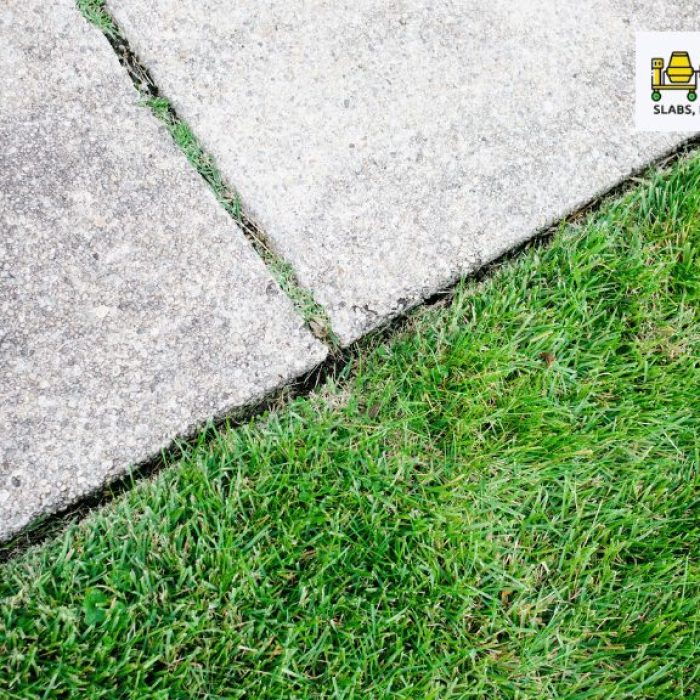
East of I-35 the Blackland clay runs deep and active, and the housing stock is old enough to have ridden decades of its cycles, which makes East Austin the settlement capital of our map: panels that sank because there was never a base under them, cracks that reopen through fresh filler every single season, walks stepping at every joint like a staircase nobody ordered. It’s also the fastest-changing side of town, where lots that held one small house now add studios, garage apartments, and ADUs, each needing a slab done right on soil that forgives nothing. Both stories, the aging and the building, are our daily east-side work, and both start with the ground. We’ll also say the quiet part about east-side quoting: this is where lowball bids do their worst damage, because the soil punishes skipped ground work faster here than anywhere in the metro, and a cheap slab east of I-35 isn’t a bargain, it’s a scheduled failure with a friendly price tag. Our quotes here read longer because the ground lines are all present, and we’d rather explain a longer quote than revisit a shorter one.
Repair with a straight face
On this soil the verdict-first repair page leads on the east side because the soil makes it lead: our first job on most calls is the verdict, cosmetic or structural, worth fixing or worth replacing, and we’ll put that verdict in writing either way. Stable cracks get cleaned and filled honestly, and we’ll tell you they’re stable so you stop worrying about them; moving cracks get their cause addressed first, usually water, per our crack diagnostic walk; and sunken sections get rebuilt from the base up, cut out, recompacted, steel set, poured back and doweled, because we don’t offer lifting and on this clay a lift over a failed base is a postponed repair anyway. Where a slab has failed across most of its panels, we’ll say the honest word, replacement, and show the arithmetic that makes it the cheaper decade.
Driveways, sidewalks, and the settlement wave
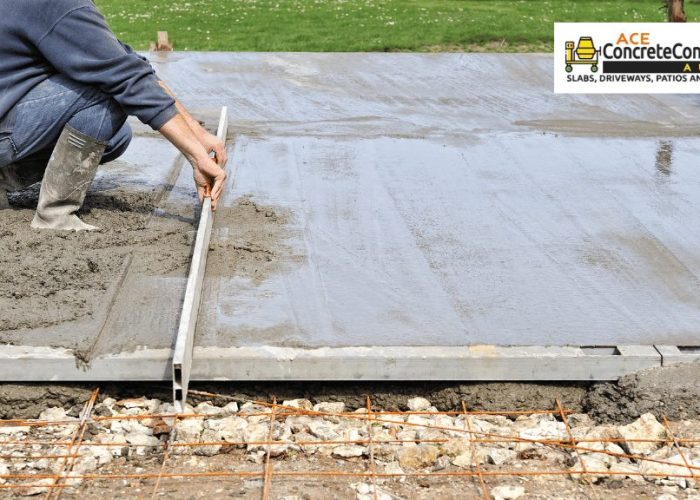
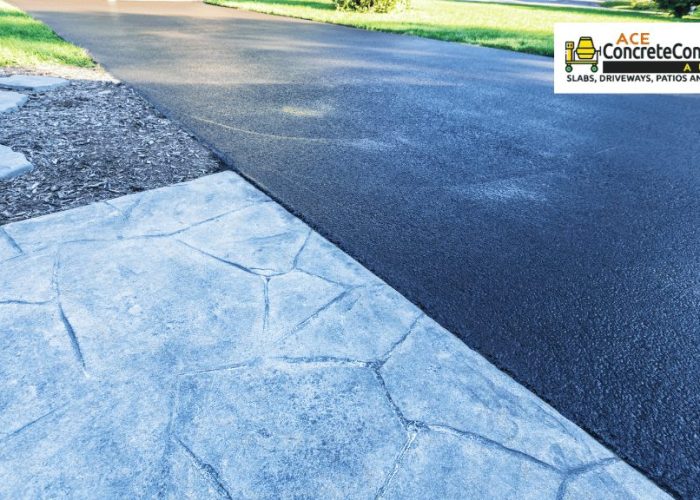
East-side replacement-grade rebuilds dominate here: original concrete from the fifties through the eighties, poured straight on dirt, now stepping and tilting, rebuilt with the base, steel, and joints the era skipped. Call it what it is: the east-side documentary guide tells that story panel by panel. Sidewalks mean city-spec panel work here, carrying the same vintage story plus the city’s attention, since older walks under mature trees produce the flagged panels and root heaves that our flagged-panel process guide walks through, grinding where the offset qualifies, replacement to city spec where it doesn’t, tree rules respected either way. Both trades here are ground work first, concrete second, and the quotes say so line by line, which is exactly the reading order we’d suggest for anyone comparing bids on the east side.
Slabs for a building boom
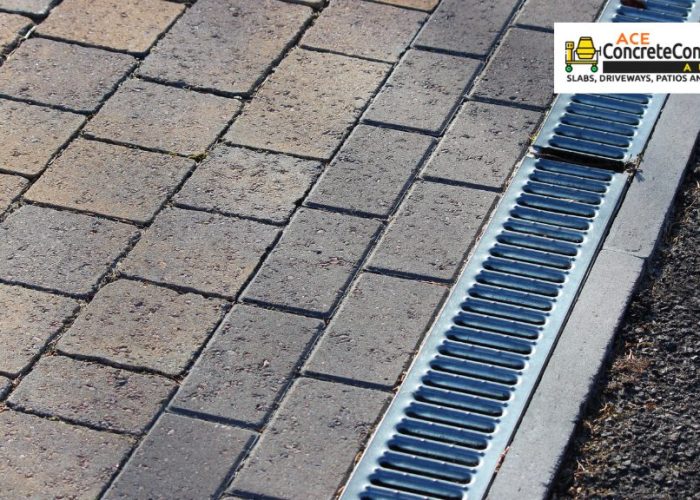
The east side’s lot-by-lot densification runs on slabs: ADU and garage-apartment foundations pads aside, we pour the flatwork, studio and workshop pads, parking pads where street parking tightened, and the patios that finish a backyard build. Enclosed slabs get vapor barriers without discussion, thickness follows the real load, and placement gets checked against setbacks and the easements that cross more east-side back corners than owners expect. pads for backyard builds carry the spec conversation, and where a new patio joins the plan, drainage-first patio pours come with it, because new concrete on this clay earns its keep by managing water from day one.
Coverage and how we run it
This page fronts our whole east-side route: Cherrywood, Mueller’s edges, Windsor Park, University Hills, MLK and Govalle, Montopolis, and the corridors east toward the airport and 130, consolidating the old scatter of neighborhood pages into one commitment that actually says something. The east side’s variety is real, a Cherrywood bungalow lot and a 130-corridor new build share a zip prefix and almost nothing else, but the concrete method holds across it: read the ground, manage the water, build the structure, write it all down. The variable is which problem leads, settlement in the old streets, compaction and easements in the new ones, and the measuring visit sorts that in the first ten minutes. Every job runs the same way: start with an address and photo, same-business-day reply, a measuring visit, then an itemized written scope with any permit handling as its own line, coordinated through a permitting partner when a filing needs one. We’re fully insured, the measurer is at the pour, and our own crew does the work. East Austin is a priority zone for us, deliberately, and the scheduling shows it. The whole-city view lives on our citywide Austin coverage, and the main Ace Concrete page holds the whole service map.
Concrete questions from East Austin homeowners
Why does East Austin concrete settle so much?
Deep, active Blackland clay under old concrete that was poured without base or steel: the soil cycles with moisture, each panel rides its own patch of ground, and decades of that produces the stepping and tilting the east side knows well. New work counters it with ground preparation; old work gets an honest repair-or-replace verdict.
Do you fix sunken concrete on the east side?
Yes, by rebuilding rather than lifting: the sunken section is cut out, the failed base excavated and recompacted, steel set, and the section poured back and doweled to its neighbors. We don’t offer mudjacking or foam lifting, and on clay this active, a lift over a failed base just schedules the next call.
Can you pour a slab for my East Austin ADU project?
We pour the flatwork around and for backyard builds, studio pads, parking pads, walks, and patios, with vapor barriers under anything enclosed and placement checked against setbacks and easements first. The dwelling’s own foundation belongs to a foundation contractor with engineering behind it, and we’ll say so plainly rather than stretch our lane to win the job.
My east-side sidewalk got flagged by the city. Now what?
Start early and check the cheap outcome first: modest offsets often qualify for grinding, while cracked-through or root-heaved panels get replaced to the city’s spec with the tree rules built into the design. The notice is a process, not a fine, and our trip-hazard guide walks it step by step.
Is repair or replacement better for old east-side driveways?
The pattern decides: isolated cracks or one bad panel on an otherwise sound slab favor repair, while stepping across multiple panels, edges crumbling, or dirt visible under the slab favor replacement, because each repair inherits the same missing base. We’ll show you which pattern yours is and put the verdict in writing.
Do you actually prioritize East Austin scheduling?
Yes, deliberately: our performance mapping told us to concentrate east and south, so the crew’s week is built around it. Form replies land the same business day, measuring visits typically inside a few days, and the written timeline includes any permit or right-of-way window before work is promised, so the date you’re given is one we can keep.
East Austin’s clay writes the problems; we write the verdicts. Call (512) 566-7530 or send a photo, and you’ll have an honest answer in writing this week.