Ace Concrete Contractors Austin

Table of Contents

Sealing your concrete driveway protects it from water damage, stains, and the wear and tear of Austin’s intense weather. A properly sealed driveway resists oil spots from your car, prevents moisture from seeping in during our heavy spring rains, and holds up better against our brutal summer sun.

The good news? Sealing is a manageable DIY project for most homeowners. Here’s everything you need to know about protecting your concrete driveway in Central Texas.

Why Seal Your Driveway in Austin?

person smoothening wet concrete using trowel

Our climate puts unique stress on concrete. Here’s what sealing protects against.

Water Penetration

Austin’s clay soil absorbs water unevenly, causing the ground beneath your driveway to shift. When water seeps into concrete pores, it accelerates this damage. Sealing creates a barrier that keeps moisture out and reduces stress on your driveway.

UV Damage

Our intense Texas sun breaks down concrete surfaces over time. UV exposure causes fading and surface degradation. A quality sealer with UV protection keeps your driveway looking newer longer.

Oil and Chemical Stains

Vehicle fluids, lawn chemicals, and other substances can permanently stain unsealed concrete. Sealed surfaces resist staining and clean up more easily when spills happen.

Freeze-Thaw Damage

While rare in Austin, occasional freezes do happen. Water trapped in concrete pores expands when it freezes, causing surface spalling and cracking. Sealing prevents water entry and protects against freeze damage.

Best Time to Seal in Austin

Timing matters for a successful seal job. Austin’s weather creates specific windows when it works best.

Ideal Conditions

Temperature between 50°F and 90°F with no rain expected for 24-48 hours. Low humidity helps the sealer cure properly. In Austin, this typically means early mornings during summer or midday during spring and fall.

Best Seasons

Spring (March through May) and fall (September through November) offer the most consistent sealing conditions. You’ll have moderate temperatures and typically drier weather.

Summer Considerations

Sealing in summer works if you start early. Begin at sunrise when the concrete is cool. By mid-morning, surface temperatures can exceed 100°F, causing sealers to dry too quickly and apply unevenly. Avoid sealing after 10 AM during peak summer.

Winter Considerations

Wait for temperatures consistently above 50°F. Our mild winters usually provide opportunities for sealing, but watch the forecast for cold snaps. Don’t seal if freezing temperatures are expected within 48 hours.

New Concrete

If you’ve just had a driveway installed, wait at least 28-30 days before sealing—new concrete needs time to cure fully. Your concrete contractor should advise you on timing.

Types of Concrete Sealers

Not all sealers work the same way. Here’s what’s available and what works best for Austin driveways.

Penetrating Sealers

These soak into the concrete rather than forming a film on top. They don’t change the appearance much and won’t peel or flake. Penetrating sealers work well for Austin because they handle UV exposure and temperature swings without breaking down. They’re the most forgiving for DIY application.

Acrylic Sealers

Acrylic sealers form a protective film on the surface. They enhance color slightly and provide good protection against stains and water. Film-forming sealers can become slippery when wet, so look for products with anti-slip additives if this is a concern. They may need reapplication more frequently in our hot climate.

Which to Choose

For most Austin driveways, a quality penetrating silane or siloxane sealer offers the best combination of protection and durability. If you want enhanced color or a slight sheen, an acrylic sealer works well but requires more maintenance.

DIY Driveway Sealing: Step by Step

contractor using a power washer to clean the driveway

Here’s how to seal your driveway yourself.

Tools and Materials Needed

Gather these before starting:

  • Concrete sealer (calculate coverage based on driveway size)
  • Pump sprayer or roller with extension handle
  • Stiff broom or pressure washer
  • Concrete cleaner/degreaser
  • Garden hose
  • Painter’s tape
  • Safety glasses and gloves

Step 1: Check the Weather

Confirm no rain for 48 hours, and temperatures will stay between 50°F and 90°F. Check both daytime and nighttime forecasts.

Step 2: Clean Thoroughly

Remove all dirt, debris, oil stains, and previous sealer residue. For light cleaning, a stiff broom and hose work fine. For oil stains or heavy buildup, use a concrete degreaser and scrub brush. Pressure washing provides the deepest clean, but it isn’t always necessary.

Let the concrete dry completely. This typically takes 24-48 hours, depending on humidity and temperature.

Step 3: Repair Cracks First

Fill any cracks before sealing. Sealer won’t bridge or fix cracks. If you have cracks that need attention, address those first and let repairs cure before sealing.

Step 4: Protect Adjacent Surfaces

Use painter’s tape to protect garage doors, landscaping edges, and any surfaces you don’t want sealed. Sealer can be difficult to remove from unintended areas.

Step 5: Apply the Sealer

Work in sections, starting at the far end and moving toward your exit point. Apply thin, even coats using a pump sprayer or roller. Avoid puddles or thick spots. Most sealers recommend two thin coats rather than one thick coat.

For the second coat, wait the time specified on the product label (usually 2-4 hours) and apply perpendicular to the first coat for complete coverage.

Step 6: Allow Curing Time

Keep traffic off the driveway for at least 24 hours. Full cure typically takes 48-72 hours. Don’t park vehicles on the surface until fully cured.

How Often to Reseal

Austin conditions mean resealing every 2-3 years for most driveways. Signs you need to reseal include:

  • Water no longer beads on the surface
  • Surface looks faded or chalky
  • Stains are harder to clean
  • You notice more surface wear

Driveways with heavy use or significant sun exposure may need attention sooner. Shaded driveways often go longer between applications.

When to Call a Professional

DIY sealing works well for straightforward projects, but some situations benefit from professional help.

Consider professional sealing when:

  • Your driveway has extensive cracks or damage needing concrete repair first
  • The previous sealer is peeling and needs stripping
  • You want a specialty finish or high-performance coating
  • The driveway size makes DIY impractical
  • You’d rather invest time elsewhere

Professional sealing typically costs $0.50 to $1.50 per square foot, depending on the driveway’s condition and the sealer type. For a 600-square-foot driveway, expect to pay $300 to $900 for a professional application.

Common Sealing Mistakes to Avoid

Learn from others’ errors.

Applying Too Thick

Thick coats trap moisture underneath and cause peeling, bubbling, or white hazing. Two thin coats always outperform one thick coat.

Sealing Dirty Concrete

Sealer locks in whatever is on the surface. Dirt, stains, and residue become permanent once sealed over. Clean thoroughly and let dry completely.

Ignoring Weather

Sealing before rain or in extreme temperatures leads to poor adhesion and wasted product. Check the forecast twice.

Skipping Repairs

Sealer doesn’t fix cracks or damage. Address underlying issues first or you’re just sealing in problems.

Not Testing First

Test the sealer in an inconspicuous area to check appearance and absorption before covering the entire driveway.

Protect Your Concrete Investment

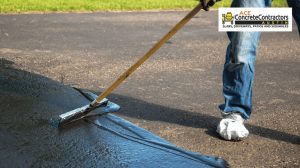
contractor pouring sealant

A quality seal job extends your driveway’s life and keeps it looking good. Whether you DIY or hire help, regular sealing is one of the smartest maintenance investments you can make.

Have questions about your driveway’s condition? Call Ace Concrete Contractors at (512) 566-7530 for a free assessment. We’ve helped Austin homeowners with concrete projects since 2012, and we’re fully insured.

Contact us to schedule an estimate, or check out our customer reviews to see why Austin homeowners trust us with their concrete work.

Frequently Asked Questions

Penetrating sealers (silane or siloxane-based) work best for most Austin driveways. They handle our UV exposure and temperature swings without peeling or breaking down. Acrylic sealers enhance color but may require more frequent reapplication in our hot climate. Look for products rated for exterior use in high-UV environments.

Expect 2-3 years of protection from a quality sealer application in Austin conditions. Our intense sun and temperature swings break down sealers faster than in milder climates. High-traffic areas and south-facing driveways may need attention sooner. When water stops beading on the surface, it’s time to reseal.

DIY sealing works well for most homeowners with clean, well-maintained driveways. It’s a straightforward weekend project if you follow the proper steps. Consider hiring a professional if your driveway has extensive damage, peeling old sealer that needs to be removed, or the size makes DIY impractical. A professional application ensures even coverage and proper product selection.

Wait until the concrete is completely dry, typically 24-48 hours after rain, depending on conditions. Test by taping plastic to the surface for a few hours. If moisture appears underneath, wait longer. Sealing damp concrete traps moisture, leading to peeling, hazing, or adhesion failure.

Surface temperatures above 90-95°F cause sealers to dry too fast, resulting in uneven coverage and poor penetration. In Austin summers, this means starting at sunrise and finishing by mid-morning. If the concrete is too hot to touch comfortably, it’s too hot to seal. Early morning application avoids these issues.

Yes, but wait at least 28-30 days after installation. New concrete needs time to cure fully before sealing. Applying the sealer too early traps moisture and can cause surface problems. Your contractor should advise on timing based on your specific installation conditions.

Film-forming sealers (acrylics) can become slippery when wet. Look for products with anti-slip additives if this is a concern for you. Penetrating sealers don’t create a film and maintain the original surface texture, so they don’t increase slipperiness. For areas with slopes or frequent wet conditions, penetrating sealers are the safer choice.