
How to Finish Concrete, and Why Timing Is the Whole Craft
Finishing concrete runs screed, float, edge, trowel or broom, in windows the concrete opens and closes on its own schedule. Smoothing happens while the surface is workable; sanding and grinding are how cured concrete gets corrected. The tools are simple, and the timing is the entire skill.
Finishing is the part of concrete work people watch, because it’s the part that looks like craft, and it is, just not where spectators think. The motions are learnable in an afternoon; knowing when the concrete is ready for each one takes seasons, because the slab opens and closes each window on its own schedule and never announces it. This guide covers the sequence, the two questions it absorbs, smoothing concrete while it’s wet and sanding it once it’s cured, and where the windows sit in Austin weather. The steps before finishing begin are our steps before finishing guide’s territory.

The sequence: screed, float, edge, then choose
Screeding strikes the surface flat and flush with the forms, right behind the placement, and it’s the step that decides flatness forever, since nothing later adds material to a hollow. Floating follows once the bleed water sheen leaves: the float pushes stone down, brings paste up, and closes the surface, and floating too early, into standing bleed water, is the classic mistake that weakens the top layer and shows up a year later as a surface that dusts. Edging rounds the perimeter while it’s workable. Then the fork: broom for exterior traction, dragged in even passes for the standard finish, or steel trowel for the smooth interior surface a workshop floor wants, worked in progressively harder passes as the slab firms. Every pass has a window, and the windows are why finishing crews watch the slab instead of the clock.
Smoothing concrete: a wet-side job
Smooth is achieved while the concrete is workable, not applied afterward: progressive troweling as the surface stiffens is what builds that dense, hard, smooth top. Chasing smoothness too early brings up water and weakens the skin; catching each troweling window as it opens is the craft. Once concrete stiffens past workable, the smoothing conversation is over for that day, and pushing harder just burns the surface. [CONFIRM process observation: e.g., how the crew reads the troweling windows in summer versus a cool morning, and the tell they use.] A slab that cured rougher than wanted isn’t stuck, but its options have moved to the next section.
Sanding and grinding: the cured-side corrections
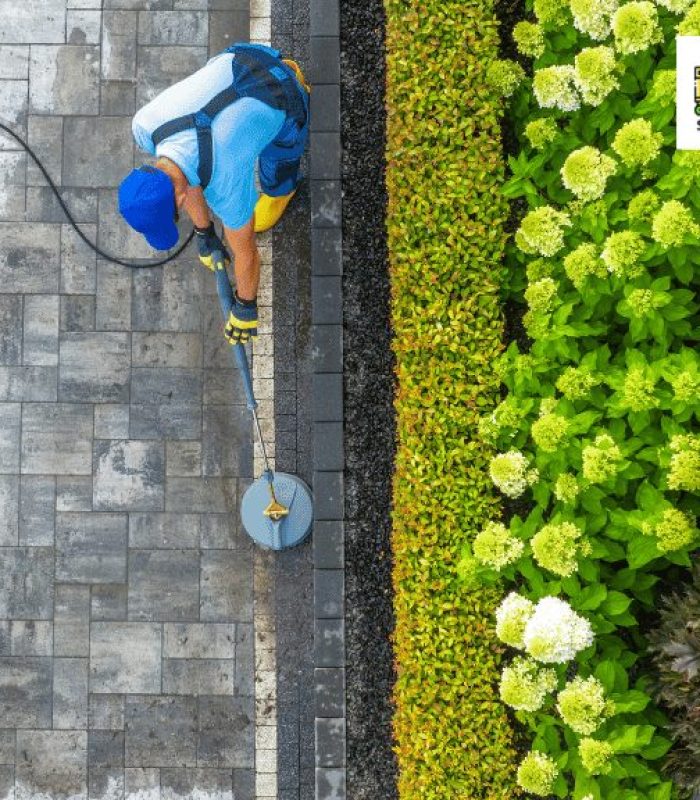
Cured concrete gets corrected mechanically, which is a polite way of saying it gets ground down to where it should’ve been. Light roughness, trowel marks, and small ridges sand down with a concrete grinding pad; serious highs, lips at joints, and failed surfaces call for a walk-behind grinder, which is rental territory with real dust management. Sanding is also the prep step before coatings grip properly, opening a smooth-troweled surface so epoxy has something to hold. What grinding can’t do is add material, so low spots get filled, not sanded, and a surface bad enough to grind wholesale is often a surface better resurfaced, which is where our resurfacing takeover takes over the conversation.
Finishing in Austin weather, and when to hire it
Heat compresses every window: a July slab can rush from bleed-water to too-stiff in the time a cool-morning slab takes to open its first troweling pass, which is why summer pours start at first light and carry extra hands. Wind dries the surface ahead of the body and fakes readiness. A small pad is honest DIY finishing practice; a garage floor that wants a hard-troweled surface, or any slab where the finish is the point, is where a crew that reads windows for a living earns its line on the quote, and our finish in the scope puts the intended finish in writing so pour day has no debates. One more honest note: finishing can’t fix placement. A slab that wasn’t screeded flat won’t trowel flat, and there’s no pass that adds material where the screed left a hollow, which is why the boring early steps keep deciding the glamorous late ones.
Questions we hear on this topic
What are the steps to finishing concrete?
Screed flat, wait out the bleed water, float to close the surface, edge the perimeter, then either broom for exterior grip or steel-trowel in progressive passes for interior smoothness, cutting control joints the same day. The sequence is fixed; the timing between steps belongs to the concrete, not the schedule.
How do you smooth out concrete?
While it’s workable: progressively harder trowel passes as the surface stiffens build the dense, smooth finish, and each pass has a window the slab opens on its own time. After curing, smooth comes from sanding or grinding instead. What never works is attacking wet concrete early or stiff concrete late; both damage the surface.
Can you sand concrete after it dries?
Yes, that’s the standard correction for cured surfaces: grinding pads handle trowel marks and light roughness, walk-behind grinders handle lips and serious highs, and either doubles as prep that helps coatings grip. Sanding removes material only, so low spots get filled, and dust control deserves real respect indoors.
When should you start floating concrete?
When the bleed-water sheen has left the surface, and not a minute before: floating standing water back into the slab weakens the top layer, which shows up later as dusting and scaling. The wait varies with weather, shorter in heat, longer on cool damp mornings, which is why crews watch the sheen rather than the clock.
Why is concrete finishing harder in hot weather?
Because every window shrinks: bleed water leaves fast, troweling passes stack up against each other, and the surface can stiffen past workable while the crew is still mid-slab. Wind makes it worse by drying the skin ahead of the body. Summer finishing is a first-light job with extra hands for exactly this reason.
What tools do you need to finish concrete?
A screed board, a bull float or magnesium float, an edger, a groover or joint saw, and a steel trowel or broom depending on the surface you’re after. It’s a short list, and that’s the honest point: the tools aren’t the barrier, the timing is, and rentals don’t come with the windows marked.